How SEO Tools Are Destroying SEO in 2026:- In 2026, SEO is facing a strange and uncomfortable reality. The very tools that were created to help websites rank on Google are now becoming one of the biggest reasons many websites fail to rank at all.
Almost every marketer, agency, blogger, and SEO professional is using the same SEO tools, relying on the same datasets, and following the same optimization frameworks. As a result, the internet is slowly turning into a collection of pages that look different on the surface but feel exactly the same underneath.
This article is not another list of “best SEO tools for 2026.” Instead, it exposes a more uncomfortable truth: how blind dependence on SEO tools is quietly destroying SEO itself, and what smart marketers are doing differently to survive and grow in 2026.
I have written many articles in my life, and none of them were written completely by AI. I only took help from AI, but the real value came when I added my own opinions and thoughts. If you always let AI write the entire article for you, you will never get the results that you get when you include your own perspective.
AI can support you, guide you, and speed up the process—but it cannot replace your thinking. When you start writing this way, it may feel difficult in the beginning. You may struggle to express your ideas or structure your thoughts. But if you keep trying, it becomes easier with time, and eventually everything starts to flow naturally.
What people are doing now is that they think writing an article means letting AI write everything.
1. Keyword Research Tools: From Foundation to Ranking Liability
There was a time when keyword research was the backbone of SEO. Finding the right keyword meant understanding what users wanted and delivering the best possible answer. In 2026, keyword research tools are still powerful — but they are also dangerously misused.
What’s Going Wrong?
- Everyone is using the same tools like Ahrefs, Semrush, and Ubersuggest
- The same high‑volume keywords are targeted by thousands of websites
- AI Overviews now answer most informational queries directly on Google
The result is duplicate search intent at scale. When hundreds of pages target the same keyword with the same structure and the same angle, Google has no incentive to rank most of them.
The 2026 Reality
Keyword volume matters less than intent clarity, originality, and usefulness.
Winning websites are no longer copying keyword lists. They are using keyword tools only to understand user problems, then creating content that approaches those problems from a new, human, and experience‑driven angle.
2. AI Content Writing Tools: Speed Increased, Trust Collapsed
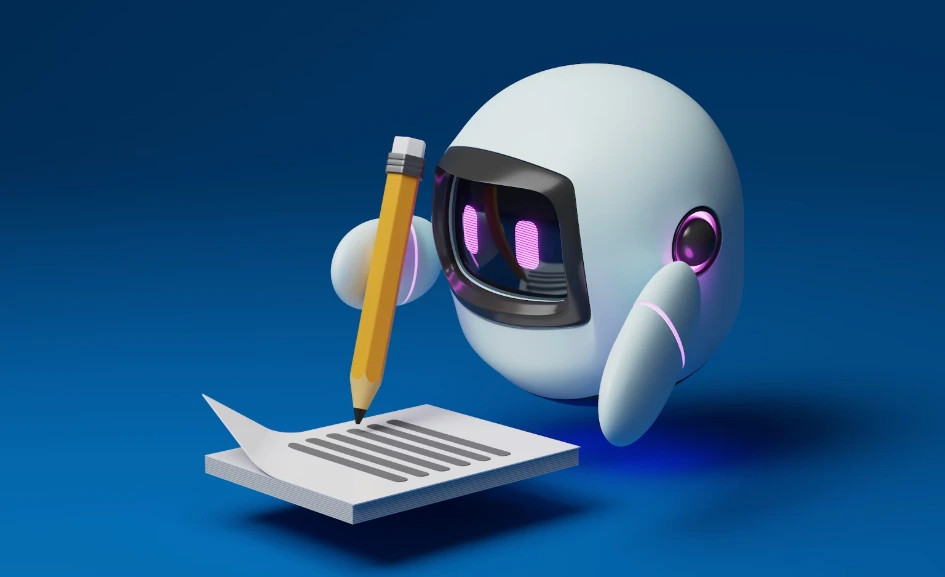
AI content writing tools have made publishing faster than ever before. In minutes, anyone can generate a 1,500‑word article that looks polished, structured, and technically sound. Unfortunately, this convenience has come at a massive cost.
The Common (Wrong) Workflow
Open tool → Enter prompt → Generate article → Publish
This workflow dominates the web in 2026 — and Google knows it.
How Google Responds
- Repetitive sentence patterns
- Predictable explanations
- Neutral, risk‑free tone
- No real opinion or experience
Google is no longer just reading content. It is evaluating authenticity, perspective, and human signals. AI‑only content may sound intelligent, but it rarely feels trustworthy.
The Hard Truth
AI content often sounds smart, but it does not feel experienced.
The websites still performing well in 2026 are using AI as an assistant, not as the author. Humans add judgment, failure stories, context, and emotional intelligence — elements AI tools cannot genuinely replicate.
3. Content Optimization Tools: Manufacturing Identical Pages
Content optimization tools like Surfer SEO, Clearscope, and similar platforms were designed to improve quality. In practice, they are often doing the opposite.
What These Tools Encourage
- Identical H2 and H3 headings
- Similar keyword density targets
- Uniform paragraph lengths
- Copy‑paste SERP structures
When thousands of articles follow the same optimization blueprint, Google categorizes them mentally as “another optimized page.” Optimization becomes sameness.
What Google Actually Wants in 2026
- A unique angle on a common problem
- Clear, confident opinions
- First‑hand experience or real‑world context
Optimization tools should highlight missing topics, not dictate identical structures. Blindly following tool suggestions is now a ranking risk.
4. Grammar & Readability Tools: The Most Misunderstood SEO Factor
Many marketers still believe that perfect grammar equals better SEO. This is one of the biggest misunderstandings in modern search.
Google does not rank content because it is grammatically perfect. Google ranks content because it is useful, engaging, and trustworthy.

What We See Across the Web
- Perfectly written articles
- Technically flawless English
- Zero personality
- No emotional pull
The 2026 Reality
Slightly imperfect but honest content consistently outperforms polished but empty content.
Readers connect with clarity, honesty, and relevance — not robotic perfection. Tools like Grammarly should clean content, not sanitize its personality.
Read Generative Engine Optimization (GEO) 2025: The New SEO Hero for Marketers
5. SEO Scores & Audit Tools: The Illusion of Progress
SEO audit tools often provide comfort rather than results. A page shows a score of 90+, yet traffic remains close to zero.
Why This Happens
SEO tools measure rules, not real users.
Google’s evaluation questions are different:
- Did the content fully answer the user’s question?
- Does it demonstrate experience or authority?
- Does it encourage trust or action?
An SEO score cannot answer these questions — but Google can.
6. What Winning Websites Are Doing Differently in 2026
Despite all these challenges, some websites are growing faster than ever. Their advantage is not better tools — it is better judgment.

Winning websites:
- Use tools for data, not decisions
- Share opinions, not summaries
- Publish failures along with successes
- Add local, industry‑specific examples
Their guiding principle is simple:
Write for humans first, tools second.
Conclusion
SEO tools are not inherently harmful. They are powerful, intelligent, and useful when used correctly. But in 2026, over‑dependence on tools has become SEO’s biggest weakness.
If you want your website to rank, build trust, and survive long‑term, tools must remain assistants — not decision‑makers.
Final Truth
SEO tools are not destroying SEO. Marketers who follow them blindly are.