How to Get Traffic on a New Website in 2026:- If you have just launched a new website and you’re staring at zero traffic, trust me — you are not alone. Almost every successful website you see today started from absolute zero. The difference between websites that grow and websites that die is not luck, but strategy + consistency.

In this complete 2026 guide, I’ll share real, practical, and updated strategies that actually work for new websites — especially when Google is ignoring you and social media is not giving results. Everything here is written in a step-by-step format, so you can apply it even if you are a beginner. No fake promises, no copied advice.
Why New Websites Get No Traffic (The Real Reason)
Before you try to fix the traffic problem, it’s important to understand why it happens in the first place. Many beginners get frustrated seeing zero visitors, but this is a completely normal phase for new websites.
Google does not trust new websites immediately. This early stage is often referred to as the “sandbox period.” During this time, your website faces a few natural challenges:
- No authority: Google hasn’t yet recognized your site as a trustworthy source.
- No backlinks: Other websites haven’t started linking to your content, which is a major factor in ranking.
- No user signals: Metrics like time spent on page, clicks, and engagement are still absent.
- Low or zero search impressions: Google is still figuring out where your content fits in search results.
Important: Having zero traffic at this stage does not mean your content is bad. It simply means your website is new, and it takes time for Google to notice, evaluate, and reward your content with visibility.
Understanding this early stage is key because it helps you stay patient, focus on building quality content, and work on strategies that gradually improve authority and traffic.
Step 1: Stop Targeting High-Competition Keywords (Start With Long-Tail Keywords)
If you are a beginner and your website or blog is new, the biggest mistake most people make is trying to target high-competition keywords right from the start.
To be honest, this is one of the main reasons why many people work hard for months but still don’t see any results.
What most beginners do
Beginners usually choose keywords that sound powerful and attractive, but in reality, ranking for them is almost impossible for a new website.

For example:
- SEO tips
- Make money online
- Digital marketing
These keywords are very popular, but thousands of high-authority websites are already ranking for them.
No matter how good your content is, Google will not easily push a new website to the top for such competitive terms.
What you should do instead
You should start with long-tail keywords.
Long-tail keywords are keywords that are longer, more specific, and clearly show what problem the user is trying to solve.
Let’s understand with an example
If you target a keyword like “website traffic,” the competition will be extremely high.
But when you make it more specific, your chances of ranking increase.
Instead of:
- website traffic
Use:
- how to get traffic on a new website
- new website no traffic solution
You can clearly see that these keywords directly address a real problem.
When a keyword matches a real user problem, Google naturally gives more value to that content.
Why long-tail keywords are best for beginners
The biggest advantage of long-tail keywords is that they can help you grow faster without unnecessary struggle.
Read Also:- ChatGPT Secrets & Updates 2026: Smart Hidden Settings to Become an AI Power User
With long-tail keywords, you get:
- Lower competition, which makes ranking easier
- Clear search intent, so you know exactly what the user wants
- Higher chances of ranking, especially for new websites
Most importantly, these keywords fit naturally into your content.
There is no need for forced keyword stuffing, and the content feels more human and reader-friendly.
A simple strategy you can follow from today
If you want faster results, create a list of 15–20 long-tail keywords and publish high-quality content around them.
Once your website starts building trust and authority, you can gradually move toward bigger and more competitive keywords.
Starting with long-tail keywords is not a slow strategy.
It is a smart strategy that helps you rank, build confidence, and stay consistent in the long run.
Step 2: Write Content for ONE Person, Not for Everyone
One of the most common mistakes beginners make is trying to write content for everyone. They think if they make it broad, it will attract more traffic. The truth is, Google rewards content that solves a specific problem for a specific audience.

When you write for everyone, your content becomes generic, shallow, and less engaging. Instead, focus on writing as if you’re talking to one person—someone who really needs your help. This makes your content more relatable, trustworthy, and actionable.
A good structure to follow is:
- Real problem: Start by identifying the exact problem your reader is facing.
- Personal experience: Share your own journey or mistakes. It makes the content human and relatable.
- Step-by-step solution: Provide clear, actionable steps your reader can follow.
- Common mistakes: Warn about pitfalls your audience should avoid.
- Clear conclusion: Summarize the main takeaways and give encouragement.
For example, instead of generic advice, write like this:
“When my website had no traffic for weeks, I realized I was making this one mistake…”
Writing in this way naturally increases:
- Time on page – readers stay longer because the content speaks directly to them
- Trust – people relate to personal experience and practical advice
- Rankings – Google notices engagement and relevance
Step 3: Publish Fewer Articles, But Make Them Powerful
In 2026, quality always beats quantity. Publishing more articles doesn’t guarantee traffic if each post is shallow or generic. For new websites, a focused and strategic approach works best.
Here’s a practical strategy for new sites:
- Publish 2–3 articles per week
- Each article should be 1500–2500 words
- Focus on one main keyword + 5–7 supporting keywords
Example:
Main keyword:

- how to get traffic on a new website
Supporting keywords:
- new website no traffic
- website traffic tips for beginners
- increase website traffic organically
- google traffic for new website
This approach ensures that every article is deep, detailed, and highly relevant. By combining long-tail keywords with comprehensive, structured content, you increase your chances of ranking faster, building authority, and keeping readers engaged.
Publishing fewer but stronger articles also gives you more time to research, edit, and optimize, which pays off in the long run with sustainable traffic growth.Step 4: Use Google Search Console Like a Pro (2026 News Trick)
Here’s a hidden trick that most beginners completely overlook. Google Search Console is more than just a stats tool—it’s a roadmap to improve your content and boost rankings without spending money on backlinks.
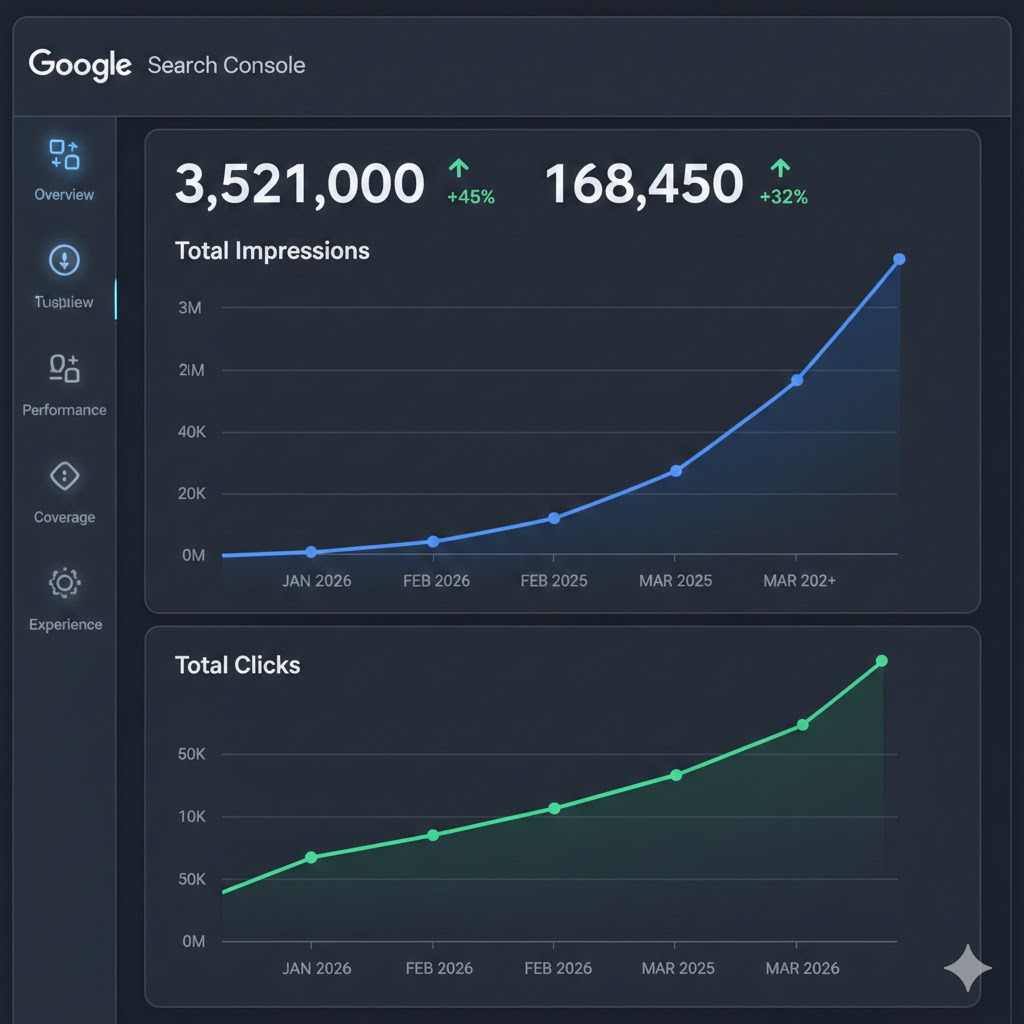
After publishing an article, follow these steps:
- Open Google Search Console
- Navigate to Performance → Search Results
- Look for keywords that are getting impressions but have low clicks
- Update your article to naturally include those exact phrases
Why this works: It signals to Google that your content exactly matches what users are searching for. The result is a noticeable ranking boost without needing backlinks or complicated SEO tricks.
Step 5: Internal Linking Is Your Secret Weapon
New websites don’t have many backlinks yet, but they do have internal links, and this can be a powerful advantage. Internal linking helps Google understand your website structure and distributes authority between your pages.
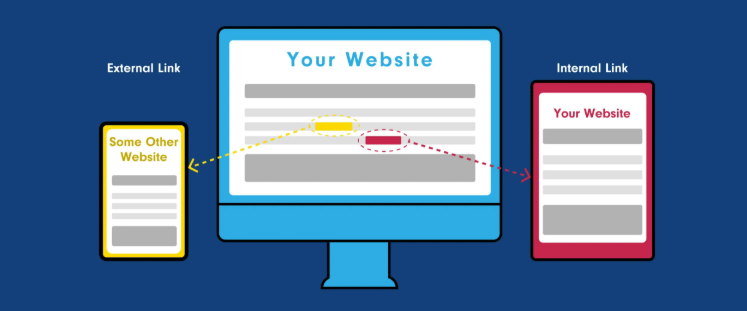
Here’s how to do it effectively:
- Link older articles to newer ones
- Use descriptive anchor text instead of generic phrases like “click here”
For example, instead of writing:
“Click here”
Use:
“increase website traffic organically”
This small change helps Google crawl your website faster, understand the relationship between your pages, and boosts your chances of ranking.
Step 6: Don’t Share Links, Share Stories (Social Media Trick)
Sharing your blog posts on social media is not just about posting the link—it’s about telling a story that resonates with your audience.
The wrong way:
“New blog post is live — [link]”
The right way:
“I struggled with zero traffic on my new website for weeks. This is what finally worked…”, then add the link at the end.
This storytelling approach works especially well on:
- Facebook groups – people look for personal experiences
- LinkedIn – professional audience connects with lessons learned
- Reddit – share in relevant subreddits, but avoid spamming
By sharing stories instead of just links, you increase engagement, clicks, and trust, which eventually drives more traffic to your website and improves social signals that Google notices.
Read Also:- The Real Formula for Google AdSense Approval (Tested & Honest Guide)
Step 7: Use Medium & Quora as Traffic Feeders (2026 Trick)
For new websites, relying solely on Google for traffic can take months. Platforms like Medium and Quora can act as early traffic feeders, while also sending important authority signals to search engines. They help your content get noticed by real users, which can accelerate your website’s growth.
Medium Strategy:
- Instead of posting the full article, publish 40–50% of your content. This gives readers a preview and encourages them to click through to your website for the complete post.
- Always add a canonical link pointing to your original article. This tells Google that your website is the main source, avoiding duplicate content penalties.
- Make the Medium post engaging with a strong hook, subheadings, and visuals to make users curious enough to visit your site.
Quora Strategy:
- Search for questions related to your topic and provide detailed, valuable answers. Avoid short or generic responses—give actionable tips and real insights.
- Include your website link naturally within the context, rather than forcing it. For example, if someone asks about increasing website traffic, you can explain a strategy and then link to your detailed guide for further reading.
- Over time, answering multiple questions consistently positions you as an authority in your niche, while driving early, targeted traffic to your website.
Using these platforms together ensures you get traffic, engagement, and credibility before Google starts sending organic visitors. This early traction also helps search engines trust your website faster.
Step 8: Optimize for User Experience (Google Loves This)
Google’s algorithms now prioritize user experience (UX) more than ever. Even if your content is high quality, poor website performance can harm your rankings. Focusing on UX keeps users engaged, reduces bounce rates, and signals to Google that your site is trustworthy.
Key elements to focus on:
- Page load speed: Slow websites frustrate visitors. Use optimized images, caching, and lightweight themes.
- Mobile responsiveness: Most users browse on mobile devices. Your site should adapt perfectly to all screen sizes.
- Clear headings and structure (H1, H2, H3): Helps both readers and Google understand the content hierarchy.
- Minimal pop-ups or distractions: Avoid aggressive pop-ups that annoy users and increase bounce rates.
- Easy navigation: Menu and internal links should make it simple for users to explore your website.
Even small improvements in these areas can significantly increase user satisfaction, which indirectly boosts your search rankings.
Common Mistakes That Kill New Website Traffic
Many beginners unknowingly make mistakes that prevent their website from gaining traction. Avoid these at all costs:
- Copy-paste content: Duplicate content is penalized by Google and provides no real value to users.
- Keyword stuffing: Overusing keywords makes content unnatural and harms readability.
- Publishing without considering search intent: Every article should solve a specific problem for your audience.
- Expecting instant results: SEO and traffic growth are gradual. Patience is key.
Understanding and avoiding these mistakes is crucial for long-term success. Remember, SEO is a process, not an instant solution.
Final Truth
If your new website has little or no traffic, it does not mean you’ve failed. It simply means you are at the starting line. Growth requires consistent effort and smart strategies.
- Stay consistent: Publish regularly, update old content, and engage with your audience.
- Write honestly and provide real value: Focus on solving problems rather than chasing traffic.
- Optimize smartly: Use long-tail keywords, internal links, and UX improvements to make your site appealing to both users and Google.
The reality is, most websites quit before traffic ever arrives. Don’t be one of them. Traffic is not given—it’s earned over time through persistence, quality, and strategic execution.
With patience, smart strategies, and a focus on user value, your new website can gradually build sustainable traffic, authority, and credibility in your niche.
Bonus Tip (2026 Mindset)
Here’s a mindset shift that can make a huge difference for new websites: one well-optimized, high-quality article can bring more traffic than 50 random posts.
Instead of publishing a large number of mediocre articles, focus on creating content that truly provides value. Each article should:
- Solve a specific problem for your audience
- Include actionable steps that readers can implement
- Be structured clearly with headings, examples, and easy-to-read formatting
- Be optimized naturally for relevant keywords without stuffing
Quality content not only attracts more visitors but also keeps them engaged, builds trust, and encourages sharing. Over time, these high-value articles accumulate authority, improve search rankings, and bring sustainable, long-term traffic to your website.