SEO in 2026:- This guide is not based only on theory — it reflects practical implementation patterns observed across structured SEO projects. Search Engine Optimization (SEO) in 2026 is no longer about inserting keywords into a webpage and hoping to rank. SEO has evolved into a strategic process of understanding search intent, building topical authority, optimizing for AI-driven search systems, and delivering genuine user value.
If you run a website — whether it’s a blog, an eCommerce store, a local business site, or a service-based platform — SEO remains the most sustainable and high-ROI source of organic traffic. However, the methodology, ranking factors, and user expectations have significantly evolved.
In this complete guide, you’ll learn:
- The real meaning of SEO in 2026
- How search engines actually work
- The different types of SEO
- Latest ranking strategies
- Practical, real-world implementation tips
- A step-by-step roadmap from beginner to advanced
1. The Real Meaning of SEO in 2026
In 2026, SEO is about visibility across search ecosystems, not just Google rankings.
Modern SEO includes optimization for:
- Traditional search results
- AI-powered summaries
- Voice search
- Visual search
- Featured snippets
- Entity-based search
Search engines like Google now rely heavily on AI systems such as Google Search Generative Experience to understand context, user behavior, and content quality.
SEO in 2026 can be summarized as:
Search Intent + Experience + Authority + Technical Excellence
If your content:
- Solves real problems
- Demonstrates expertise
- Loads fast
- Is structured clearly
- Provides unique insights
You gain visibility.
If it’s keyword-stuffed, generic, or low-quality — rankings decline.
2. How SEO Works in 2026
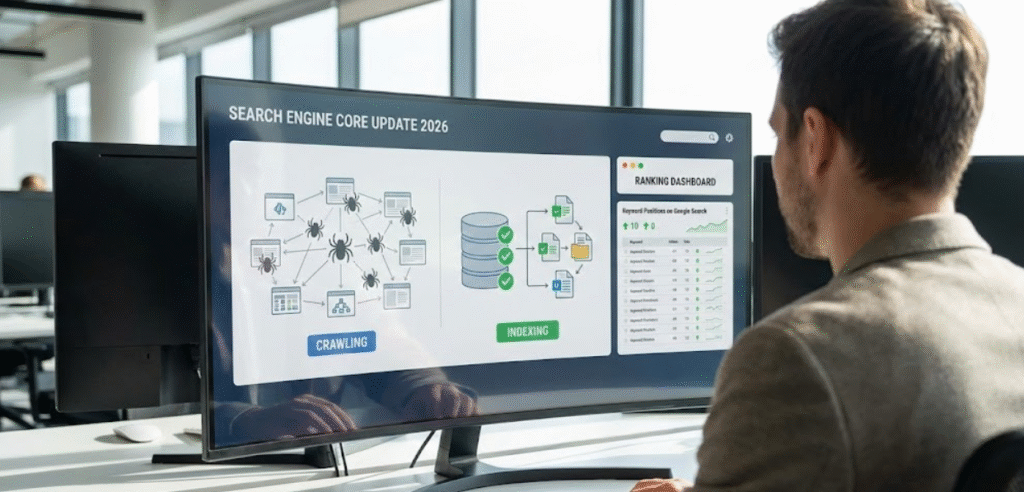
Search engines still follow three fundamental processes:
Crawling
Search engine bots discover your pages.
Indexing
Content is analyzed, categorized, and stored in databases.
Ranking
Algorithms evaluate which page best satisfies a search query.
However, in 2026 ranking is influenced by deeper signals:
- Search intent alignment
- Topical authority
- Entity relationships
- User engagement signals
- Content originality
- E-E-A-T (Experience, Expertise, Authoritativeness, Trustworthiness)
- Core Web Vitals
Google’s AI systems now understand:
- Context instead of just keywords
- Semantic meaning
- Content depth
- User satisfaction patterns
3. Types of SEO in 2026
On-Page SEO
Everything optimized within your website:
- Title tags
- Meta descriptions
- Internal linking
- Content structure
- Keyword placement
- Schema markup
In 2026, semantic SEO and topic clusters matter more than single keywords.
Technical SEO
The backbone of your website.
Includes:
- Site speed optimization
- Mobile-first performance
- Core Web Vitals
- Crawlability
- Structured data
- Secure HTTPS
Without technical strength, content alone will struggle to rank.
Off-Page SEO
Authority building outside your website:
- High-quality backlinks
- Brand mentions
- Digital PR
- Social signals
In 2026, quality backlinks are far more important than quantity.

Local SEO
Essential for businesses targeting specific geographic areas.
Read Also:- Best Free SEO Tools in the USA 2026: Keyword Research, Site Audit & Website Ranking
Optimizations include:
- Google Business Profile
- Local citations
- Reviews
- Local schema
- Geo-targeted pages
AI & Generative SEO
A new dimension in 2026.
Focuses on:
- AI search visibility
- Answer optimization
- Structured, concise information
- Entity-based optimization
Content must be structured so AI systems can extract, summarize, and reference it accurately.
4. Latest SEO Strategies for 2026
1. Search Intent First Strategy
Before creating content, determine:
- Is the query informational?
- Transactional?
- Navigational?
- Commercial?
Your content must precisely match the intent behind the query.
2. Topical Authority Model
Instead of publishing random articles:
- Create topic clusters
- Build pillar pages
- Interlink related content
- Cover subtopics comprehensively
Authority is stronger than isolated posts.
3. High-Value, Experience-Driven Content
Avoid:
- Thin AI-generated articles
- Rewritten content
- Generic information
Focus on:
- Personal insights
- Case studies
- Data-backed examples
- Practical experience
4. User Experience Optimization
Search engines analyze behavioral signals such as:
- Bounce rate
- Scroll depth
- Dwell time
Improve:
- Clear formatting
- Short paragraphs
- Logical structure
- Engaging subheadings
- Visual elements
5. Structured Data & Rich Results
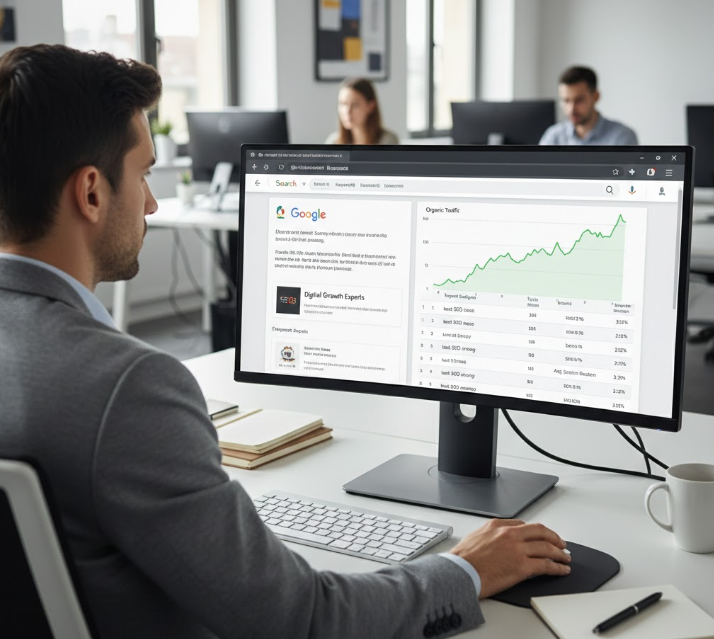
Schema markup helps search engines understand:
- FAQs
- Reviews
- Products
- Articles
This increases the chances of enhanced visibility in search results.
6. Brand Building Strategy
In 2026, brand signals significantly influence rankings.
Build:
- Branded searches
- Mentions across platforms
- Authority profiles
- Social proof
Recognized brands gain stronger algorithmic trust.
5. Practical Real-World SEO Tips
Use the Three-Level Content Depth Rule
Every article should include:
- Basic explanation
- Intermediate strategies
- Advanced insights
Optimize for Featured Snippets
- Use clear definitions
- Structured bullet points
- Step-by-step explanations
Improve Page Speed
Target:
- Under 2.5 seconds load time
- Optimized images
- Clean, lightweight code
Update Existing Content
Content freshness remains important.
Update statistics, strategies, and examples annually.

Track Meaningful Metrics
Do not track traffic alone. Monitor:
- Click-through rate (CTR)
- Conversion rate
- Keyword growth
- Engagement time
6. Beginner to Advanced SEO Roadmap (2026 Edition)
Beginner Level (0–3 Months)
- Understand search intent
- Learn keyword research basics
- Optimize titles and meta descriptions
- Create helpful content
Intermediate Level (3–9 Months)
- Build topic clusters
- Learn technical SEO fundamentals
- Improve site speed
- Acquire quality backlinks
Advanced Level (9+ Months)
- Master entity SEO
- Build strong topical authority
- Optimize for AI-driven search
- Implement advanced schema markup
- Strengthen brand authority
Final Thoughts
SEO in 2026 is not obsolete — it is more intelligent and sophisticated.
Read Also:- How to Get Traffic on a New Website in 2026: When There Is Absolutely No Traffic
It rewards:
- Expertise
- Value
- Structure
- Authority
- Technical performance
It penalizes:
- Shortcuts
- Spammy backlinks
- Thin content
- Keyword stuffing
If you focus on long-term authority building instead of short-term tactics, SEO will continue to be one of the most powerful organic growth channels for years to come.
How Does SEO Work in 2026?
In 2026, search engines do much more than match keywords. They evaluate content from multiple perspectives.
Search engines analyze:
- The depth and completeness of the content
- The expertise and credibility of the author
- The overall trustworthiness of the website
- User engagement signals (click-through rate, time on page, interaction)
- Internal linking structure
- Technical performance (site speed, mobile optimization, Core Web Vitals)

AI-powered systems such as Google Search Generative Experience have made search more advanced and competitive. Ranking in the top 10 results is no longer enough.
Websites must now optimize for:
- Featured snippets
- AI-generated summaries
- Structured and concise answers
In short, SEO in 2026 is a combination of high-quality content, technical strength, authority building, and intelligent content structuring.
The 3 Main Types of SEO (Foundation)
1. On-Page SEO
On-page SEO refers to everything directly related to your website’s content and structure. It focuses on optimizing individual pages so search engines can clearly understand their relevance.
Key elements include:
- Keyword placement
- Title tags
- Meta descriptions
- Heading structure (H1, H2, H3)
- Internal linking
- Content depth and clarity
2026 Tip:
Use semantic keywords naturally within the content. Avoid over-optimization or keyword stuffing. Search engines now understand context and intent, so writing naturally and comprehensively is more effective than repeating exact-match keywords.
2. Off-Page SEO
Off-page SEO includes activities performed outside your website to build authority and trust.

This includes:
- Backlinks from relevant websites
- Brand mentions
- Digital PR campaigns
- Social signals
High-quality backlinks are still a strong ranking factor in 2026. However, spammy link-building practices are now highly risky and can lead to penalties. The focus should be on earning links through valuable content and genuine outreach rather than artificial link schemes.
3. Technical SEO
Technical SEO relates to your website’s backend and overall performance. It ensures that search engines can properly crawl, index, and rank your pages.
Key components include:
- Page speed optimization
- Mobile responsiveness
- Core Web Vitals performance
- Crawlability and indexing structure
- Schema markup implementation
If your technical foundation is weak, even high-quality content may struggle to maintain stable rankings.
Read Also:- How SEO Tools Are Destroying SEO in 2026
Most Important SEO Changes in 2026
AI Search Impact
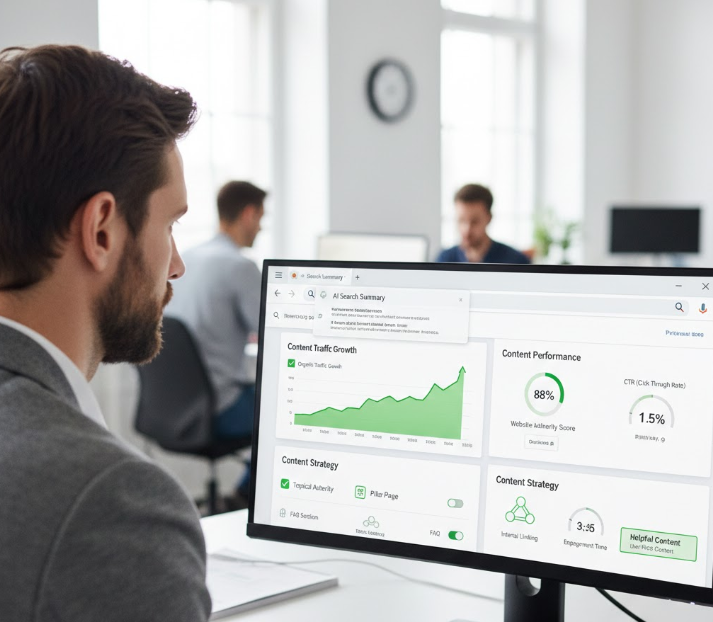
AI-generated search summaries, powered by systems like Google Search Generative Experience, are changing user behavior. In some cases, click-through rates (CTR) may decline because users get quick answers directly in search results.
To adapt:
- Write structured and scannable content
- Provide clear, direct answers
- Add FAQ sections
- Use concise paragraphs and logical formatting
Your goal is to make content easily extractable for AI systems while still encouraging clicks.
Helpful Content Focus
Search engines such as Google prioritize user-first content. Pages written only for rankings, without real value, are more likely to be suppressed.
Content in 2026 must:
- Solve specific problems
- Provide unique insights
- Demonstrate real expertise
- Avoid generic or rewritten information
Topical Authority
Ranking with a single article on a competitive topic has become increasingly difficult.
Instead, you should:
- Create 8–10 strong, interlinked articles around one main topic
- Build a pillar page
- Cover subtopics in depth
- Strengthen internal linking
Topical authority signals to search engines that your website is a trusted resource within that niche.
Old SEO vs SEO 2026 (Clear Comparison)
| Old SEO Approach | SEO in 2026 |
|---|---|
| Keyword density focus | Search intent alignment |
| Quantity backlinks | Relevant authority links |
| Short 600-word posts | Comprehensive content depth |
| Publish and forget | Publish, update, refine |
| Single keyword targeting | Topic cluster strategy |
| Ranking focus | Visibility ecosystem focus |
SEO Strategy 2026 (Step-by-Step Roadmap)
SEO in 2026 is not about shortcuts. It’s about building a focused, authoritative digital presence over time. Below is a practical roadmap you can realistically follow — whether you are starting fresh or trying to improve an existing website.
Step 1: Choose a Clear Niche
One of the biggest mistakes beginners make is writing about random topics. When your website covers everything, it becomes difficult for search engines to understand what you truly specialize in.
A focused niche helps you:
- Build topical authority faster
- Attract a more targeted audience
- Compete more effectively
- Create stronger internal linking structures
Instead of writing about “digital marketing,” narrow it down to something like “SEO for small businesses” or “local SEO for service providers.” A clear direction builds credibility over time.

Step 2: Smart Keyword Research
In 2026, keyword research is less about volume and more about intent.
Focus on:
- Low to medium competition keywords
- Clear search intent (informational, transactional, commercial)
- Long-tail keywords (especially if your website is new)
Long-tail keywords are powerful because they:
- Have less competition
- Attract highly targeted users
- Convert better
For example, instead of targeting “SEO,” target “SEO strategy for beginners in 2026.” The more specific the query, the clearer the user’s intent.
Step 3: Build Content Depth
The era of 500–600 word articles ranking easily is over.
In 2026, comprehensive content wins. A detailed 1500–2500 word guide that fully solves the user’s problem performs far better than multiple thin posts.
Read Also:- Generative Engine Optimization (GEO) 2025: The New SEO Hero for Marketers
Your content should include:
- Real examples
- Practical case scenarios
- Frequently Asked Questions
- Comparison tables
- Step-by-step breakdowns
- Clear subheadings for easy scanning
Depth does not mean unnecessary length. It means covering the topic completely, logically, and helpfully.
Ask yourself:
“After reading this page, does the user need to search again?”
If the answer is yes, improve the content.
Step 4: Strong Internal Linking Strategy
Internal linking is one of the most underrated SEO strategies.
For every new article:
- Link it to 2–3 relevant existing articles
- Use natural anchor text
- Strengthen your pillar content
- Guide users toward related resources
Internal linking helps:
- Distribute authority across your site
- Improve crawlability
- Increase user engagement
- Reduce bounce rate
Always think ahead. Build your structure with future pillar pages in mind.
Step 5: Consistency and Patience
SEO is a long-term strategy. Results rarely appear overnight.
You should realistically expect:
- 3–6 months for noticeable growth
- 6–12 months for strong authority building
Consistency builds trust — both with users and search engines.
Publishing high-quality content regularly is more effective than posting 20 articles in one week and disappearing for months.
Beginner to Advanced SEO Growth Path
Beginner Stage
At this stage, focus on fundamentals:
- Understand how search engines work
- Learn keyword research basics
- Practice on-page optimization
- Improve title tags and meta descriptions
- Create helpful, structured content
Your goal here is clarity and consistency.
Intermediate Stage
Once basics are clear, move to structured growth:
- Build backlinks naturally
- Create content clusters around a topic
- Improve technical performance (speed, mobile responsiveness)
- Optimize Core Web Vitals
- Strengthen internal linking
Now you are not just publishing content — you are building authority.

Advanced Stage
This is where strategic SEO begins.
Read Also:- Domain Authority vs Topical Authority: Which is More Powerful in SEO?
Focus on:
- Topical authority development
- AI-optimized structured content
- Entity-based optimization
- Tracking user behavior (CTR, dwell time, scroll depth)
- Conversion-focused SEO
At this stage, SEO is not just about traffic — it is about turning traffic into business growth.
Common SEO Mistakes in 2026
Even today, many websites fail because of avoidable mistakes.
Keyword Stuffing
Repeating the same keyword unnaturally damages readability and trust. Search engines understand context now — write naturally.
AI Copy-Paste Content
Using raw AI-generated content without editing, insight, or human expertise results in generic pages. Add real examples, opinions, and experience.
Thin Articles
Short, surface-level content rarely performs well on competitive topics. Cover topics completely.

Poor Internal Linking
Ignoring internal links weakens structure and authority flow across your site.
No Content Updates
SEO is not “publish and forget.” Updating old articles with new statistics, examples, and improved structure can significantly improve rankings.
Final Insight
SEO in 2026 rewards:
- Clarity
- Depth
- Consistency
- Human experience
- Structured thinking
It is no longer about manipulating algorithms. It is about aligning your content with user needs while maintaining technical strength and authority.
If you treat SEO as a long-term asset instead of a shortcut, growth becomes predictable and sustainable.
Real Experience Insight
From practical, hands-on experience, one pattern becomes very clear:
Websites that are:
- Properly structured
- Updated regularly
- Built around user-focused content
- Internally well-connected
- Technically optimized
tend to maintain stable rankings — even after major algorithm updates.
On the other hand, websites that publish randomly, chase trends without strategy, or rely only on keyword targeting usually experience unstable growth. They may rise quickly, but they drop just as fast.
What Actually Worked for Me (Practical Observation)
When I shifted from random publishing to structured content clusters, I noticed a measurable difference.
Earlier approach:
- Publishing 3–4 articles per week on different topics
- Minimal internal linking
- No clear niche focus
Result:
Traffic spikes, but unstable rankings.

After switching strategy:
- Focused on one niche
- Created 8–10 interlinked articles
- Updated old posts
- Improved internal linking
Within 4–6 months:
- Rankings stabilized
- Bounce rate reduced
- Average session time improved
- Organic traffic became consistent instead of fluctuating
This confirmed one important principle:
SEO rewards structure more than speed.
What I Personally Observed
After working on structured SEO projects and comparing them with experimental, random publishing approaches, I noticed something important:
When I followed a structured strategy:
- Growth was slower in the beginning
- Traffic increased steadily over months
- Rankings became stable
- Algorithm updates had minimal negative impact
When I experimented with inconsistent publishing:
- Some pages ranked quickly
- Traffic spikes were temporary
- Rankings dropped after updates
- Authority never fully developed
Based on my experience, the most effective SEO strategy is not aggressive scaling — it is controlled, focused authority building.
In my view, the most reliable SEO approach includes:
- Clear niche focus
- Deep, experience-driven content
- Strong internal linking
- Regular updates
- Patience
This strategy has consistently delivered better long-term results compared to shortcut-based methods.
SEO in 2026: What Makes This Strategy Different?
Many articles talk about keywords, backlinks, and technical optimization. But here is what truly separates sustainable SEO from unstable SEO:
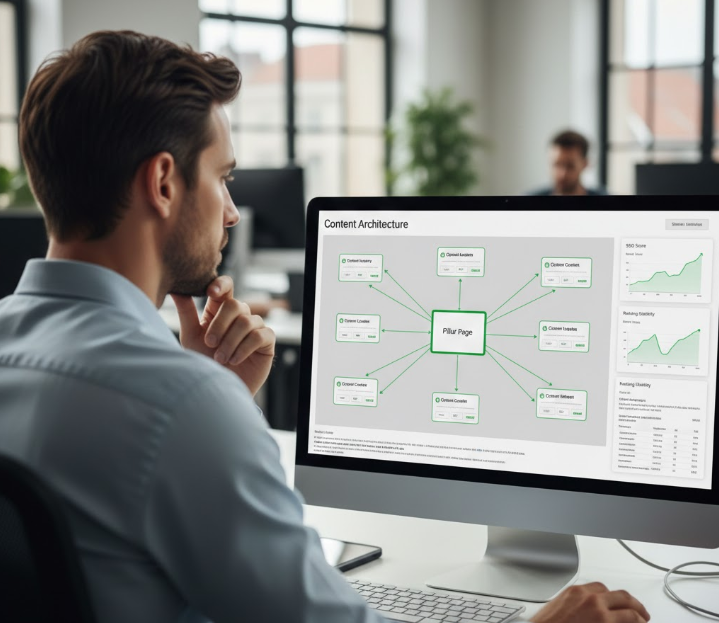
1. Content Architecture Matters More Than Volume
Publishing 100 random articles does not build authority. Publishing 30 strategically connected articles does.
A clear structure with:
- Pillar pages
- Supporting cluster content
- Logical internal links
- Progressive topic expansion
creates a strong topical map that search engines understand.
2. Update Frequency Is a Ranking Stabilizer
Websites that:
- Refresh outdated statistics
- Improve old content
- Add new sections
- Refine structure
tend to survive algorithm shifts better.
SEO is no longer “publish and forget.”
It is “publish, refine, strengthen.”
3. User Signals Are Stronger Than Ever
In 2026, search engines evaluate:
- Click-through rate
- Time spent on page
- Scroll behavior
- Return visits
If users quickly leave your page, rankings gradually decline — no matter how well optimized the keywords are.
That’s why clarity, readability, and genuine value are critical.
The Future of SEO
SEO is not ending. It is evolving.
With AI-powered systems such as Google Search Generative Experience integrated into Google Search, the search experience is becoming more conversational and context-driven.
However, the core principle remains unchanged:
Provide the best possible answer to the user’s query.
AI may change how results are displayed, but it still prioritizes:
- Accuracy
- Authority
- Structured information
- Trust
SEO is merging with AI — not being replaced by it.
My Personal SEO Framework for 2026
From experience, sustainable SEO depends on five core pillars:
- Intent Clarity
- Topic Depth
- Structured Architecture
- Technical Health
- Continuous Refinement

If any one of these pillars is weak, rankings may fluctuate.
But when all five align, growth becomes predictable.
Now this is YOUR method.
This builds brand authority.
Frequently Asked Questions (FAQs)
Q1: Is SEO dead in 2026?
No. Competition has increased, but so have opportunities. Businesses that adapt to modern strategies continue to grow consistently.
Q2: How long does SEO take to show results?
Generally, 3–6 months for noticeable improvement. Highly competitive niches may take longer. Consistency and technical health play a major role.
Q3: Will AI tools replace SEO professionals?
No. AI tools assist with research, structuring, and optimization. But strategy, experience, and human understanding cannot be replaced.
Q4: SEO or Ads — which is better?
For long-term growth, SEO is more sustainable and cost-effective.
For short-term traffic or immediate campaigns, paid ads are effective.
The smartest approach often combines both.
Why Most SEO Websites Fail in 2026
Based on practical observation, most websites fail not because SEO is difficult — but because strategy is inconsistent.
Common failure patterns:
- Publishing random topics without a niche
- Relying completely on AI-generated content
- Ignoring internal linking
- Not updating old content
- Expecting results within 30 days
SEO is not about quick wins.
It is about controlled authority building.
Websites that chase shortcuts may rank temporarily.
Websites that build structure dominate long-term.
Final Conclusion
In 2026, SEO is no longer just a technical optimization technique. It is a complete digital growth strategy.
If you:
- Follow a structured content architecture
- Write deep, experience-driven content
- Update consistently
- Build topical authority
- Focus on real user value
SEO remains one of the most powerful and reliable traffic sources available.
From personal experience, the strategy that works best is not aggressive expansion, but steady authority building. Slow, structured growth has delivered more stable and sustainable results than shortcut-based SEO methods.
The real secret of SEO in 2026 is simple:
Clarity. Depth. Structure. Consistency.