10 Proven Strategies to Improve Sales:- In today’s competitive market, increasing sales is not just about selling more products — it is about building trust, understanding customers, and creating long-term relationships. Many business owners work hard every day, yet still struggle with low conversions, limited reach, and unstable revenue. If you are also facing these challenges, you are not alone.

The good news is that sales can be improved with the right strategies and mindset. In this guide, you will learn 10 proven and practical strategies to improve sales in your business in 2026. These methods are easy to apply, suitable for small and medium businesses, and focused on real results.
Whether you run an online store, service agency, or local shop, these tips will help you attract more customers, increase trust, and grow your revenue step by step.
Strategy 1: Understand Your Target Customer Deeply
If you want to increase your business sales, the first and most important step is to truly understand your customer. Many businesses fail because they focus only on the product and ignore the customer.
Remember, until you clearly understand your buyer, you cannot create the right offer, message, or solution for them.
Questions You Must Ask to Know Your Customer
Ask yourself and your team these simple questions:
- Who buys my product or service the most?
- Why do they keep coming back to me?
- What benefit do they get most from my service?
- What is their biggest problem that I am solving?
- Where do they spend most of their time online or offline?
Answering these questions brings you closer to understanding your real customer.
Why Creating a Customer Profile Is Essential
Thinking “everyone is my customer” is a wrong approach. Every successful business creates an ideal customer profile.
You can include these details in your profile:
- Age
- Location
- Income level
- Education & profession
- Interests
- Buying habits (when, how, and where they buy)
For example, if you sell online courses, your ideal customer might be a student or a working professional aged 18–30 who wants to upgrade their skills.
Once you have a clear profile, you can market smartly instead of blindly.
Understand the Customer’s Pain Points — That’s Where Sales Come From
Every customer comes with a problem. Your job is to first understand that problem, then provide the solution.
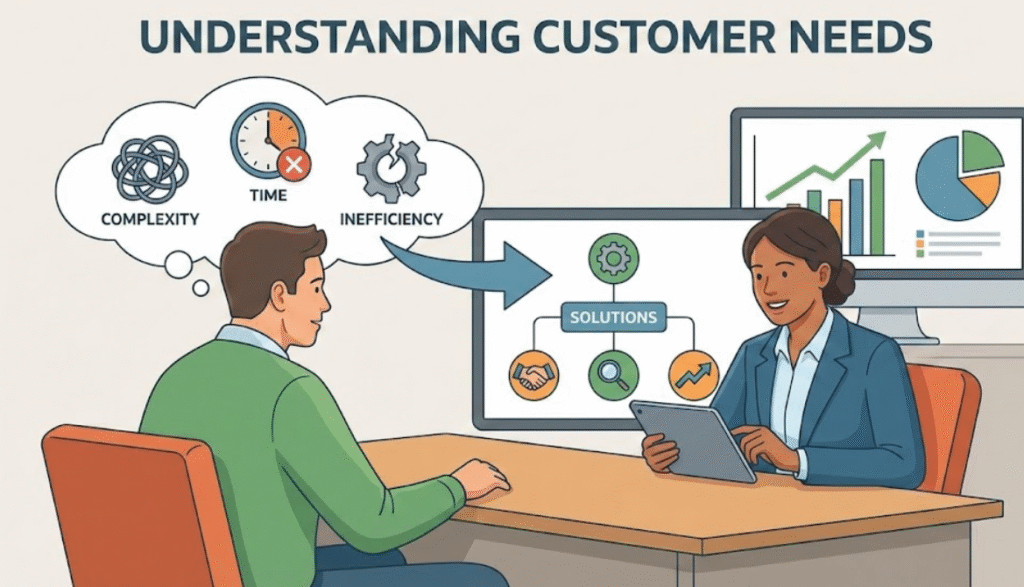
Examples:
- Someone joining a gym wants to “look fit”
- A coaching student wants to “pass the exam”
- A business owner wants to “increase sales”
If you directly address these problems, the customer feels:
“This person really understands my situation.”
And that’s where trust begins.
Collect Real Feedback, Don’t Guess
Many businesses guess what customers want. Successful ones always collect direct feedback.
You can do this by:
- Sending short surveys on WhatsApp
- Feedback calls after purchase
- Google Forms
- Instagram/Facebook polls
- Reading comments on social media
What the customer actually says is your most valuable data.
Speak in the Customer’s Language
Whether it’s ads, posts, your website, or sales pitches, use the language your customer understands.
- If your customer prefers Hinglish, write in Hinglish.
- If they prefer formal English, write formally.
When the customer feels, “This person speaks my language,” the connection becomes stronger.
Sell Solutions, Not Products
Successful businesses sell solutions to problems, not products.
Example:
“We create the best websites”
“We build websites that bring clients and grow your business”
Notice the difference? The second line shows the customer the result, which naturally attracts them.
Read Also:- Top 10 B2B Lead Generation Tools in 2026 for Growth Teams
Trust = Faster Sales
When customers feel that:
- You understand them
- You take their problem seriously
- You are not just trying to make money but to provide a solution
…they buy from you without overthinking.
Building trust takes time, but once it’s established, sales start to increase automatically.
Practical Tip: 30-Minute Daily Customer Study
Dedicate just 30 minutes daily:
- 10 min: Read customer messages and comments
- 10 min: Analyze feedback
- 10 min: Write down improvement ideas
If you make this a habit, in 3 months you’ll be far ahead of your competition.
Strategy 2: Improve Your Product or Service Quality
No marketing can save a weak product. Customers may try it once, but if it doesn’t deliver, they won’t return — and negative reviews spread fast. To increase sales and build loyalty, focus on delivering consistent quality in every aspect.
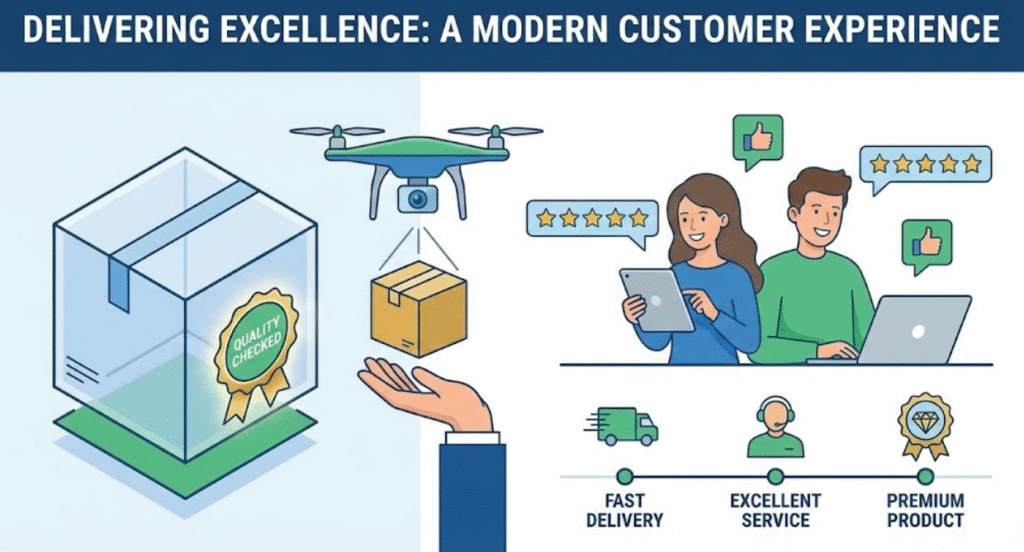
Here’s how:
- Better Packaging: First impressions matter. Sturdy, appealing, or eco-friendly packaging can make your product feel premium and trustworthy.
- Faster Delivery: Speed matters. Reliable and timely delivery increases customer satisfaction and trust. Provide tracking wherever possible.
- Clear Instructions: Help customers use your product effectively. Simple guides, FAQs, or tutorial videos reduce confusion and complaints.
- Reliable Customer Support: Quick, empathetic responses show that you value your customers. Handling issues well can turn a negative experience into a positive one.
- Consistent Performance: Your product or service must deliver on its promise every time. Regular quality checks are essential.
- Collect Feedback & Improve: Ask for customer feedback and act on it. Even small tweaks — like fixing a common issue or improving packaging — can make a huge difference.
Why this matters:
- A satisfied customer becomes a repeat buyer.
- Happy customers often bring referrals and positive word-of-mouth, which can generate free sales.
Pro Tip: Treat complaints as opportunities. Companies that listen and improve quickly often gain more loyal customers than those who never face criticism.
Strategy 3: Build a Strong Online Presence
In 2026, if your business isn’t visible online, you are losing potential customers every single day. Most people research on Google, social media, and marketplaces before deciding what to buy or which service to choose. A strong online presence helps customers find you, trust you, and engage with your brand.
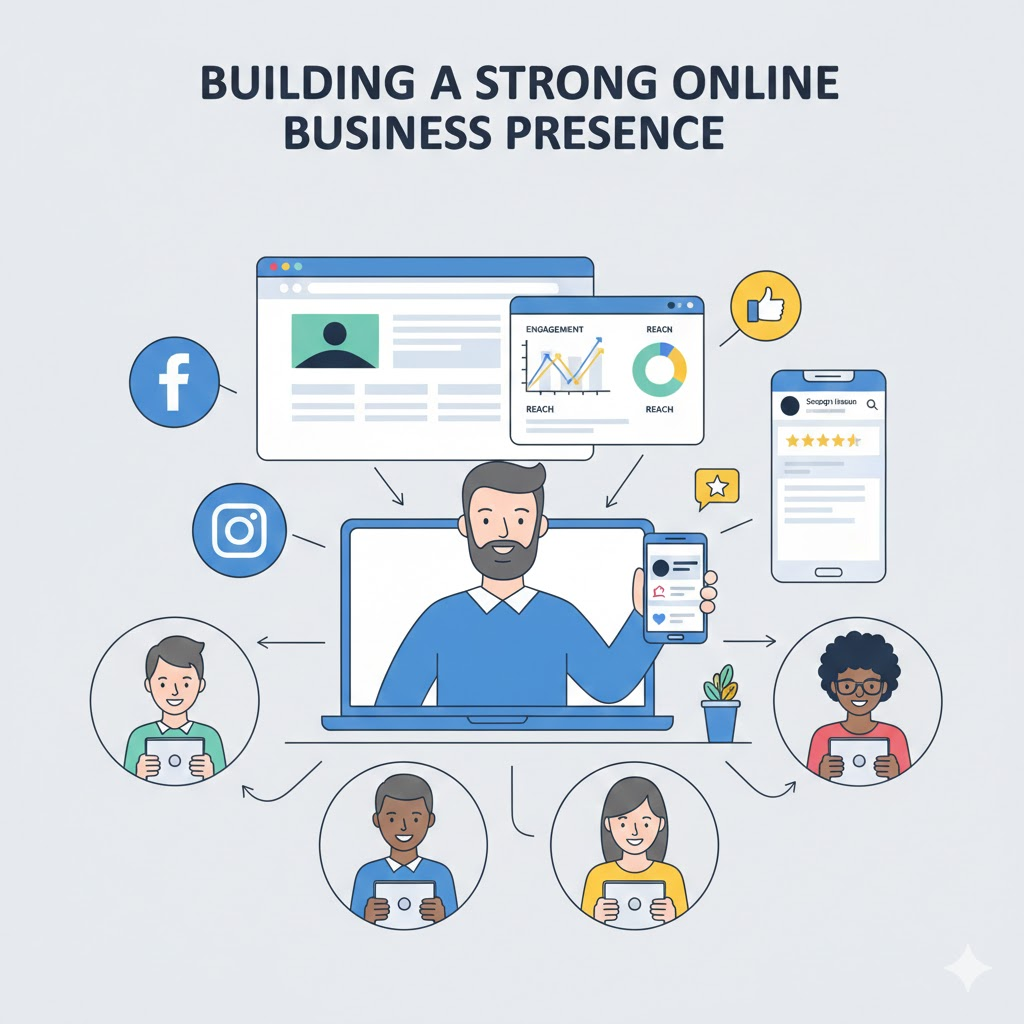
Here’s how to create a powerful digital footprint:
- Professional Website: Your website is your digital store. Make sure it is fast, mobile-friendly, and easy to navigate. Include essential information like services, contact details, testimonials, and a clear call-to-action.
- Active Social Media Profiles: Pick platforms where your audience spends most of their time. Share updates, product launches, behind-the-scenes stories, and engage with comments to stay top-of-mind.
- Updated Business Listings: Ensure your business is listed correctly on Google My Business, directories, and marketplaces. Accurate listings improve your local search visibility.
- Positive Online Reviews: Encourage satisfied customers to leave reviews. Good reviews build credibility and influence buying decisions.
- Regular Content Sharing: Post tips, tutorials, customer success stories, or industry insights. This positions your brand as an authority and keeps you visible to your audience.
Even small businesses can compete with big brands if they leverage digital platforms smartly. Visibility + credibility = more sales.
Strategy 4: Use Content Marketing to Build Trust
Content marketing is about providing value before asking for a sale. Instead of just promoting your product, you educate, inspire, and help your audience. Over time, this builds trust — and trust drives sales.
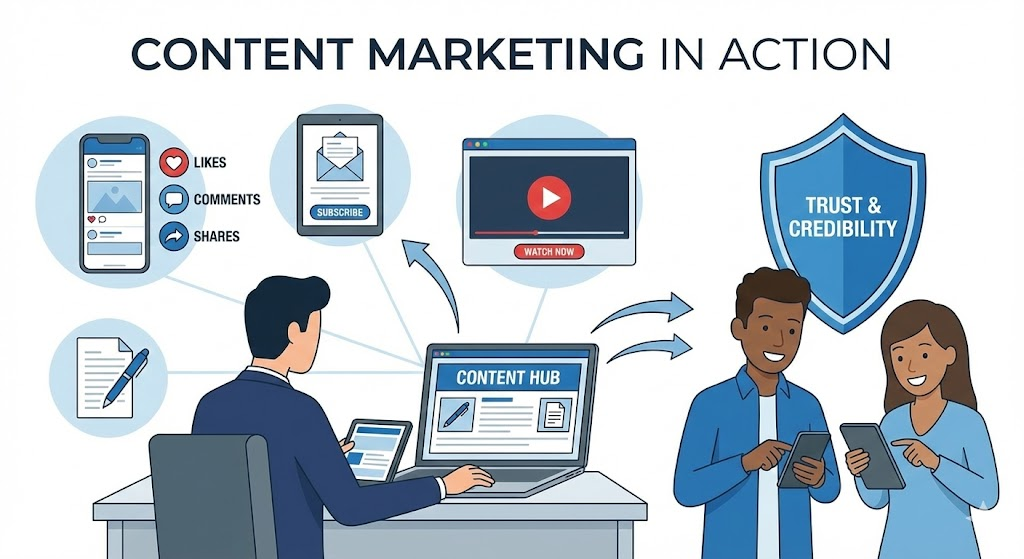
Here’s what you can create:
- Blog Articles: Share in-depth knowledge, tips, or problem-solving guides.
- Short Videos: Quick, engaging videos that demonstrate products, services, or helpful hacks.
- Social Media Posts: Share updates, tips, behind-the-scenes stories, and customer testimonials.
- Email Newsletters: Keep your audience informed with updates, offers, and insights.
- Guides & Tutorials: Step-by-step instructions that solve common problems.
Examples:
- Selling skincare products? Share skincare tips, DIY remedies, and ingredient knowledge.
- Offering digital services? Share marketing insights, SEO tips, or growth hacks.
When people learn from you, they start seeing you as an expert. And when they trust your expertise, they naturally choose to buy from you.
Pro Tip: Consistency matters more than volume. Even posting 2–3 high-quality pieces per week builds authority faster than daily random posts.
Strategy 5: Offer Attractive Deals and Promotions
Everyone loves a good deal. Smart promotions can boost sales quickly, but only when planned carefully. Random discounts can harm your brand perception, so your offers should have clear goals, such as:

- Clearing old stock
- Attracting new customers
- Encouraging repeat purchases
Effective ideas include:
- Limited-time discounts: Create urgency so customers act fast.
- Buy One Get One (BOGO) offers: Great for increasing volume and introducing new products.
- Festival or seasonal offers: Tie promotions to holidays to increase relevance.
- Loyalty rewards: Encourage repeat purchases by rewarding your best customers.
- Referral bonuses: Turn your customers into brand advocates by incentivizing them to refer friends.
Pro Tip: Urgency and exclusivity drive faster action. Phrases like “Only 50 left” or “Offer ends tonight” can increase conversions.
Strategy 6: Improve Your Sales Communication Skills
Even the best products can fail to sell if your communication is weak. How you talk to customers matters as much as what you sell.
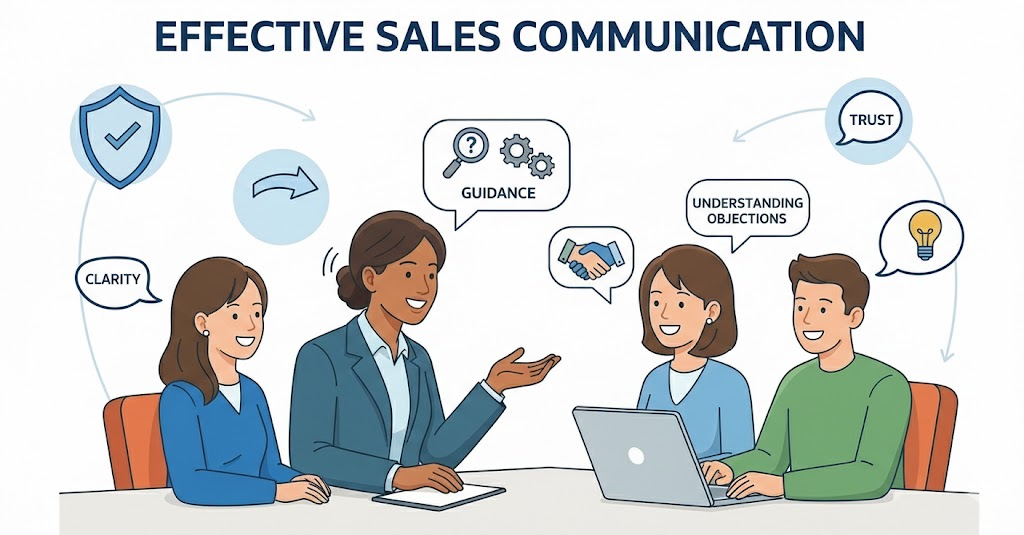
Key skills to master:
- Active listening: Understand what your customer really needs.
- Address objections calmly: Solve doubts instead of ignoring them.
- Speak clearly and confidently: Avoid confusing jargon.
- Be honest: Transparency builds trust.
- Show empathy: Make the customer feel valued and understood.
Tip: Instead of forcing a sale, guide the customer to the right solution. People buy from those who respect and help them. Practice regularly — the more you communicate, the more confident and effective you become.
Read Also:- How to Get Traffic on a New Website in 2026: When There Is Absolutely No Traffic
Strategy 7: Use Social Proof and Testimonials
People trust other people more than advertisements. That’s why testimonials, reviews, and success stories are incredibly powerful.
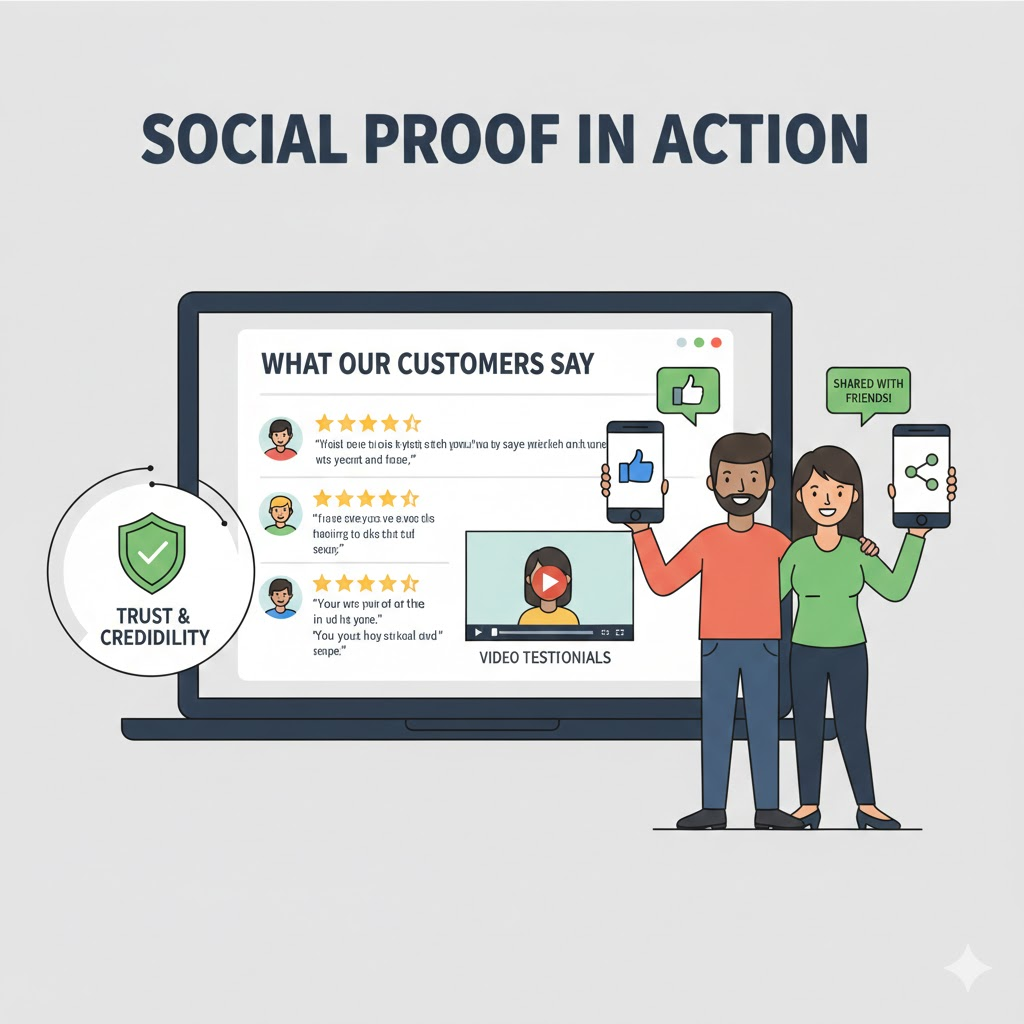
Collect and showcase:
- Customer reviews on your website and social media
- Video testimonials for authenticity
- Success stories or case studies highlighting results
- Ratings and feedback prominently on product pages
Even a single honest testimonial can influence dozens of potential buyers. Display them strategically — on landing pages, product pages, and social channels — to increase trust and reduce buying hesitation.
Strategy 8: Optimize Your Sales Funnel
A sales funnel represents the customer journey from first contact to purchase. Many businesses lose customers midway because of friction in the process.
Basic funnel stages:
- Awareness: Customers discover your brand.
- Interest: They explore your offerings.
- Consideration: They compare options and evaluate.
- Purchase: They make the decision to buy.
- Loyalty: Repeat purchases and brand advocacy.
Ways to optimize your funnel:
- Improve website speed and navigation
- Simplify checkout and reduce form fields
- Provide clear calls-to-action at every step
- Use retargeting ads or follow-up emails for hesitant buyers
A smooth funnel increases conversion rates without extra advertising costs.
Read Also:- ChatGPT Secrets & Updates 2026: Smart Hidden Settings to Become an AI Power User
Strategy 9: Invest in Digital Marketing and Advertising
Paid marketing allows you to reach the right audience faster and scale your growth efficiently. When used strategically, it delivers high returns.
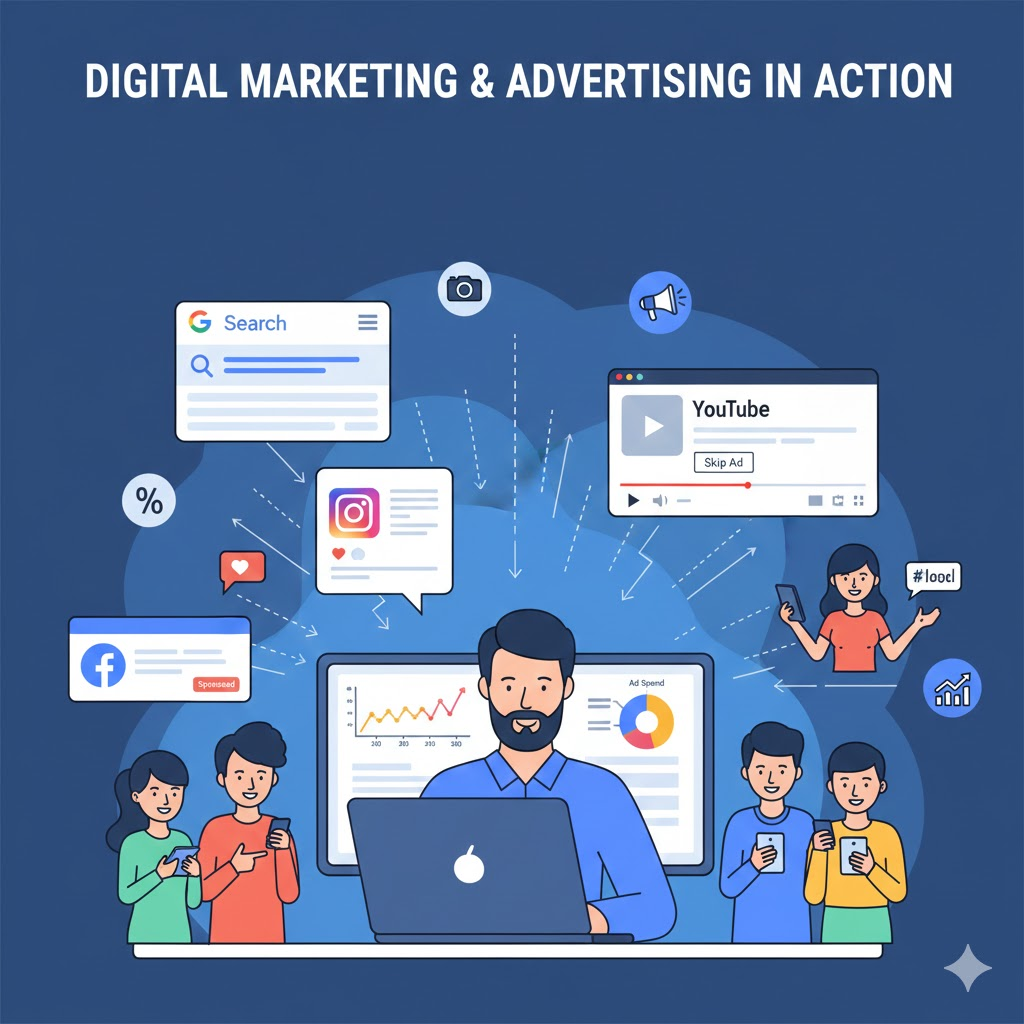
Popular channels include:
- Google Ads for targeted search traffic
- Facebook & Instagram Ads for audience targeting
- YouTube Ads for brand awareness and engagement
- Influencer collaborations for credibility and reach
Start small: Test different campaigns, analyze results, and scale what works. Combine paid ads with organic content like social posts and blogs for long-term growth.
Strategy 10: Focus on Customer Retention and Relationships
Acquiring a new customer costs 5–10x more than retaining an existing one. That’s why building long-term relationships is crucial.
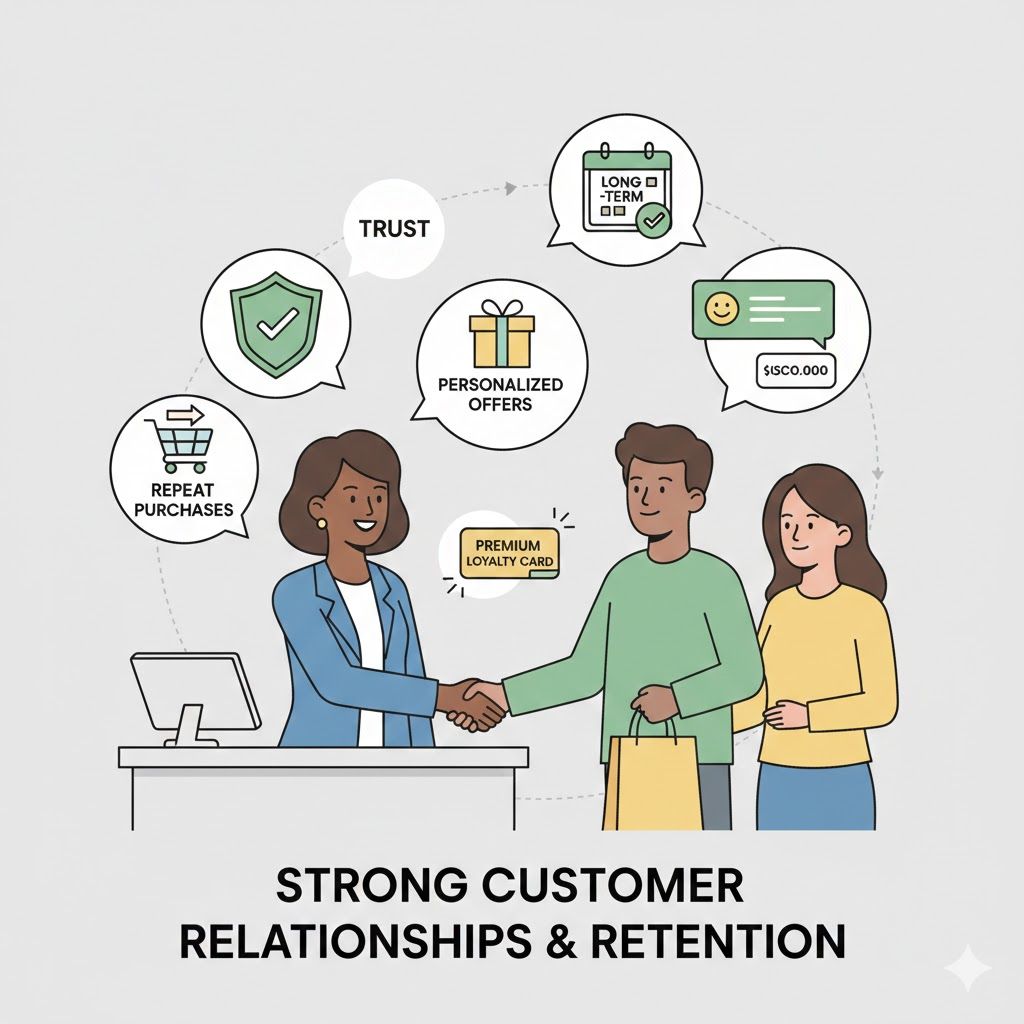
Ways to nurture loyalty:
- Send follow-up messages after purchases
- Offer exclusive deals or early access to loyal customers
- Provide excellent after-sales support
- Ask for feedback and act on it
- Remember special occasions like birthdays or anniversaries
Loyal customers not only buy repeatedly but also become brand advocates, recommending you to friends and family. Strong relationships create stable, long-term revenue.
Bonus Tip: Develop a Growth Mindset
Business growth starts with the right mindset. Always be open to learning, experimenting, and improving.
- Read books and blogs from industry experts
- Attend webinars and workshops
- Analyze competitors’ strategies
- Treat mistakes as lessons, not failures
Entrepreneurs who continuously upgrade their skills adapt faster and seize more opportunities. A growth mindset fuels innovation and long-term success.
Conclusion
Improving sales isn’t about a single trick or shortcut. It requires consistent application of multiple strategies:
- Understand your customers deeply
- Improve product and service quality
- Build trust through online presence and content
- Offer smart deals and communicate effectively
- Optimize funnels, use digital marketing, and focus on retention
Start by implementing 2–3 strategies today, track results, and improve gradually. With patience and dedication, your business can achieve higher revenue and long-term growth in 2026 and beyond.
Remember, every big brand once started small. Your journey begins now — and with the right approach, success is just around the corner.