Marketing has shifted more in the last two years than in the previous decade. Between 2024 and 2025, digital platforms became crowded, AI became common, consumers became smarter, and attention became harder to earn. What used to work earlier no longer guarantees results.
2026 is not about experimenting blindly.
It is about clarity. Clarity in communication, brand positioning, audience understanding, and long-term thinking. This article is not meant to scare anyone. Its purpose is awareness — so that businesses and marketers stop relying on outdated tactics and start thinking strategically.
1. 2026: Why Marketing Has Changed Beyond Tricks and Shortcuts
Marketing has shifted more in the last two years than in the previous decade. Between 2024 and 2025, digital platforms became crowded, AI became common, consumers became smarter, and attention became harder to earn. What used to work earlier no longer guarantees results.
2026 is not about experimenting blindly.
It is about clarity. Clarity in communication, brand positioning, audience understanding, and long-term thinking. This article is not meant to scare anyone. Its purpose is awareness — so that businesses and marketers stop relying on outdated tactics and start thinking strategically.
2. Practice #1: Blind AI Content Without Human Thinking
AI tools make content creation easier, faster, and cheaper. But this advantage disappears when every business uses AI the same way. Mass-produced AI articles, captions, and scripts will fail in 2026 because they sound similar, lack depth, and carry no real human perspective.
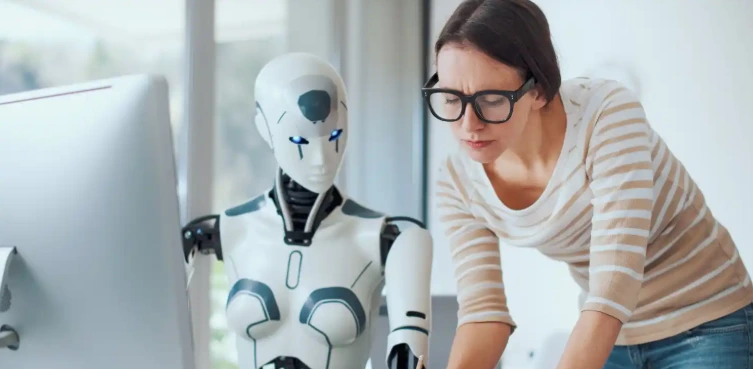
The biggest problem is sameness. Same tone, same structure, same safe sentences. Readers do not want generic text. They want insights, opinions, clarity, and thinking. Even algorithms are moving toward rewarding originality, not repetition.
There is a clear difference between AI-assisted content and AI-dependent content. AI-assisted marketing uses tools for support, but thinking, direction, and perspective come from humans. AI-dependent marketing simply generates content and pushes it out without strategy. The second approach will collapse.
Reality Check for 2026:
- AI will support thinking, not replace it
- Human opinion will matter more than perfect grammar
- Original insight will outperform high-volume content
3. Practice #2: Keyword Stuffed SEO Without Search Intent
Read Also:- The Digital Marketing Master Guide for 2026: What’s In, What’s Out, and Why It Matters
Old SEO revolved around filling content with keywords and assuming rankings would follow. That mindset is outdated. Search behavior has changed. Platforms have changed. Users have changed.
In 2026, search is more about intent than keywords. People do not search just to read. They search to solve. If content does not answer a real question or provide genuine clarity, it will simply be ignored.
Another important factor is the rise of zero-click behavior. Many users now get answers without opening websites. So only strong, meaningful, intent-focused content will survive.
Ranking will matter less than relevance.
Content that helps will win over content that just exists.
2026 SEO Will Reward:
- Clear answers over long explanations
- Intent-focused writing over keyword obsession
- Content written for humans first, algorithms second
4. Practice #3: Running Ads Without Brand Trust
Ads are not cheap anymore. Competition has increased. Attention has decreased. People do not click on ads just because they see them. If there is no trust, ads fail before they even start working.
Unknown brands struggle because users think before clicking. They want proof. They want reassurance. They want to see faces, real reviews, consistency, and credibility. Without trust signals, even the best ad design or catchy text will struggle.
In 2026, ads cannot work alone. Ads need content support. Content builds authority. Authority builds trust. Trust makes ads convert. Brands that think ads are a shortcut will face disappointment.
Ads Will Perform Better When:
- The brand already feels familiar
- Content prepares the audience before conversion
- Trust is visible, not just claimed
5. Practice #4: Copy-Paste Funnels and Ready-Made Templates
For years, marketers used the same landing pages, funnels, and scripts. Everyone copied everyone. The problem is that audiences now recognize these structures. They know when they are being “processed” instead of being helped.
When every page looks the same, people stop responding. Emotional fatigue develops. Repetitive marketing loses impact. Another issue is ignoring audience awareness levels. Not everyone is at the same stage. One generic template cannot convince everyone.
2026 demands customization. Brands that understand their audience, context, and communication tone will perform better than those relying on downloaded funnels.
6. Practice #5: Chasing Followers Instead of Building Community
Vanity metrics will lose relevance. A large follower count without engagement holds no value. Fake growth creates a false sense of success but does nothing for business.
Algorithm dependency is risky. Platforms change anytime. Only a loyal community stays. A smaller, engaged, trusting audience is far more powerful than millions of silent followers.
Communities buy repeatedly. Communities refer others. Communities defend brands. 2026 belongs to businesses that invest in relationships, not just numbers.
Read Also:- Google Tag Manager Benefits: Why Every Website Needs GTM in 2026
Strong Communities Are Built By:
- Consistency, not constant posting
- Listening more than broadcasting
- Creating value even when no sale is involved
7. Practice #6: Being Present on Every Platform Without Clarity
Many businesses believe being everywhere means being successful. In reality, it leads to confusion, inconsistent messaging, weak execution, and burnout.
Every platform has its own audience behavior and communication style. When brands ignore this and simply post the same content everywhere, they fail to connect.

One strong, focused channel often performs better than five weak ones. Clarity in platform choice saves resources, strengthens branding, and produces long-term results.
8. Practice #7: Selling Before Educating
Cold selling will continue to decline. People do not like being sold to without context. They do not want pushy promotions from brands they do not trust.
Educated audiences make faster and more confident buying decisions. Education builds understanding. Understanding builds trust. Trust turns into sales naturally.
Discounts may attract attention, but authority drives decisions. In 2026, knowledge-driven marketing will outperform aggressive selling.
9. Why These Practices Are Still Working for Some People Today
If these practices are failing, why are many still using them? The answer is transition. Marketing is in a shifting phase. Some old methods still deliver short-term results. But trends clearly show a decline.
This is not about guilt. Many businesses followed these practices because they worked earlier. But relying on them further will only delay growth and create frustration later.
10. What Smart Marketers Will Do Differently in 2026
Marketing in 2026 will not reward those who do more.
It will reward those who do the right things with intention.
Smart marketers will prioritize opinion-based marketing instead of mechanical content. They will focus on trust-first communication rather than shortcuts. They will think long-term instead of instant wins.
They will do fewer things, but with clarity. Instead of chasing trends blindly, they will understand them first and then act strategically.
11. Conclusion: 2026 Marketing Is About Thinking, Not Tools
Marketing has always evolved, but 2026 represents a deeper shift. It is not just about new platforms, smarter algorithms, or advanced tools. It is about maturity.
Businesses that depend only on tools will struggle because tools are easily available to everyone. Thinking is not.
Average marketing is becoming invisible. Loud marketing is becoming ignored. Only meaningful marketing survives. Brands that communicate with clarity, honesty, and intention will stand out in a crowded digital environment.
2026 is not a threat for marketers who are willing to think.
It is an opportunity for those who are ready to stop copying, stop rushing, and start building trust deliberately.
The future does not belong to the fastest creators.
It belongs to the clearest thinkers.
12. Soft CTA
If you want your brand to grow in 2026, start with clarity, trust, and strong thinking.
2026-ready businesses do not follow trends blindly. They understand them, evaluate them, and then act with purpose.