Why Clients Don’t Trust Digital Agencies:- Digital marketing has evolved massively by 2026. New tools, AI automation, and advanced analytics have made marketing faster, more measurable, and more accessible than ever.
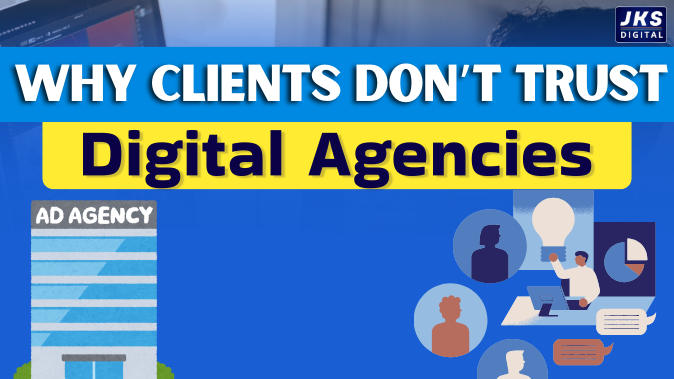
Yet, paradoxically, clients trust agencies less than ever before. They still need leads, conversions, visibility, and brand growth—but hesitate to work with agencies.
This distrust is not accidental. It comes from years of broken promises, poor execution, lack of transparency, and misaligned expectations.
In this in-depth guide, we will explore:
- Why clients don’t trust digital agencies
- Common agency mistakes
- The role of AI and automation
- How agencies can rebuild trust and retain clients
1. Overpromising Results Is Destroying Credibility
One of the biggest reasons for client distrust is overpromising.
Agencies often claim:
- “Rank #1 on Google in 30 days”
- “Double your sales in 1 month”
- “Instant leads without budget constraints”
Clients now understand that digital marketing is a process, not magic. Algorithms change, competitors react, and market dynamics shift constantly.
Example: A small e-commerce store hired an agency promising 50,000 organic visitors in 30 days. After a month, the traffic barely grew by 5,000. The client lost trust and moved to another agency.
Lesson: Guarantees kill credibility; processes build trust.
2. Lack of Transparency in Strategy and Reporting
Many agencies fail at clear communication. Monthly reports are filled with jargon—impressions, reach, clicks—but rarely show how it impacts revenue.

Clients want to know:
- What strategy is being implemented?
- Why are we using these platforms?
- How does this improve leads or sales?
Reality in 2026: Clients are educated. They compare dashboards with competitors’ campaigns and detect missing insights.
Solution: Transparent reporting with clear business impact improves trust dramatically.
3. One-Size-Fits-All Packages Are a Trust Killer
Many agencies still use cookie-cutter solutions:
- Same SEO checklist for all clients
- Pre-made ad templates
- Generic content strategies
Clients want custom strategies that reflect their business goals, target audience, and industry.
Example: A local bakery cannot use the same ad strategy as a B2B SaaS company. Copy-pasting campaigns signals that the agency sees clients as just another account, not a partner.
4. Cheap Agencies Hurt Industry Reputation
The boom in agencies led to low-cost, low-skill providers flooding the market.
These agencies underprice services but fail to deliver:
- Strategy planning
- Skilled execution
- Accountability
Clients spend money and see poor results. Consequently, they generalize distrust across the entire agency ecosystem.
By 2026, pricing and quality perception is directly linked to trust.
Read Also:- Why Most Websites Will Die After the 2026 Google AI Update
5. Misuse of AI Creates Disconnection
AI is everywhere in 2026 marketing—ChatGPT, DALL-E, AI-powered analytics—but misuse can destroy trust.
Common issues include:
- Auto-generated content without brand alignment
- Ads created using AI without human targeting insight
- Generic social media posts that sound robotic
Client perspective: AI should augment human expertise, not replace it. Agencies that rely solely on AI lose trust fast.
Pro Tip: Combine AI efficiency + human strategy + creativity for measurable results and client confidence.
6. Poor Communication and Vanishing Accountability
Nothing erodes trust faster than silence. Clients often complain about:
- Slow responses to queries
- Missed deadlines
- No ownership when campaigns fail
By 2026, communication is expected, not optional. Regular updates—even about failures—build trust.
Example: “Our last campaign underperformed. Here’s why and how we’ll fix it.” This simple message earns more trust than perfect performance without communication.
7. Focusing on Vanity Metrics Instead of Business Outcomes
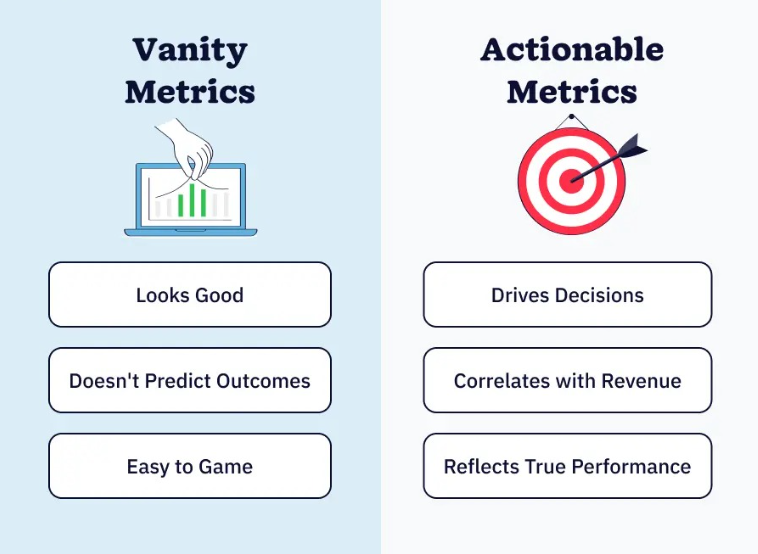
Many agencies still highlight:
- Likes
- Shares
- Impressions
Clients care about:
- Leads
- Conversions
- Revenue
2026 clients are sophisticated—they measure success in profit, not screenshots. Agencies ignoring this focus erode trust.
8. Clients Want a Partner, Not Just a Service
Agencies must think beyond delivering services. Clients value:
- Honest guidance
- Strategic insight
- Customized recommendations
- Alignment with business goals
Trust grows when agencies act like a growth partner, not just a service vendor.
9. The Psychology Behind Distrust in 2026
Client distrust is not random. It’s driven by:
- Past bad experiences – repeated overpromises and poor results
- Comparison culture – clients can now easily compare multiple agencies
- Information availability – clients research everything online before hiring
- High expectations – with AI and tools, clients expect faster, smarter results
Understanding client psychology is key to rebuilding trust.
Read Also:- Job vs Freelancing vs Agency: Which Career Path Is Best in 2026?
10. How Agencies Can Rebuild Trust in 2026
a) Sell the Process, Not the Outcome
Educate clients about what you are doing and why.
b) Customize Every Campaign
Show clients their strategy is unique and tailored to their business.
c) Transparent Reporting
Explain campaign performance in terms of leads, conversions, and ROI, not just reach or impressions.
d) Combine AI With Human Judgment
Use AI for efficiency but retain human oversight for strategy, creativity, and optimization.
e) Take Ownership
Admit mistakes, fix them, and communicate openly. Clients appreciate honesty over perfection.
11. Real-Life Examples
- Case 1: A fitness startup switched agencies 3 times in 2026 due to poor reporting. The agency that rebuilt trust shared weekly insights and measurable ROI. Client stayed for 2 years.
- Case 2: A small e-commerce brand hired a cheap agency with AI-only campaigns. Results were poor, trust vanished, and they switched to an agency using AI + strategy. ROI increased 5X.
- Case 3: A SaaS company avoided agencies for years. The agency that clearly outlined custom strategies, ownership, and revenue goals regained their confidence.
These examples show that trust is actionable—not just abstract.
12. Internal & External Linking Suggestions
- Internal: Link to articles like “AI Marketing 2026 Trends” or “SEO in 2026: What Works”
- External: Link to authoritative sources like HubSpot, Semrush, Google AI Blog
Tip: Internal linking improves SEO score in Rank Math and keeps visitors engaged.
Conclusion
Clients don’t distrust agencies because marketing stopped working—they distrust agencies because:
- Promises replaced processes
- Communication and accountability broke down
- AI replaced human insight without strategy
Agencies that succeed in 2026 will be those who consistently demonstrate competence, transparency, and partnership.
Trust is no longer optional—it is the ultimate differentiator.