The Real Formula for Google AdSense Approval:- Today, the internet is full of misleading information about Google AdSense approval. Some claim you can get approved in one day, others say only 10 articles are enough, and many promote shortcut tricks. In reality, AdSense approval does not work on shortcuts or fixed formulas.
The truth is simple: Google AdSense approval is a process, not a hack. It depends on time, consistency, content intent, and the long-term value of your website.
Why most websites fail to get AdSense approval
Most beginners believe AdSense exists to help publishers earn money. This is a common misunderstanding. Google’s primary responsibility is towards its advertisers, not publishers.
Before approving a website, Google silently evaluates:
- Whether the website looks stable and long-term
- Whether the creator is serious or just testing
- Whether the content is made for real users, not just for ads
These factors are rarely explained clearly in rejection emails, but they play a major role in the decision.
My real AdSense journey
I started blogging with motivation and clear effort, but the results were not immediate.
My journey included:
- Three AdSense rejections
- Nearly one year of consistent effort
- Long phases of demotivation
What I learned is that Google does not block you permanently. Most people quit on their own after repeated rejections.
The most important realization
Google does not only judge content quality. It judges intent.
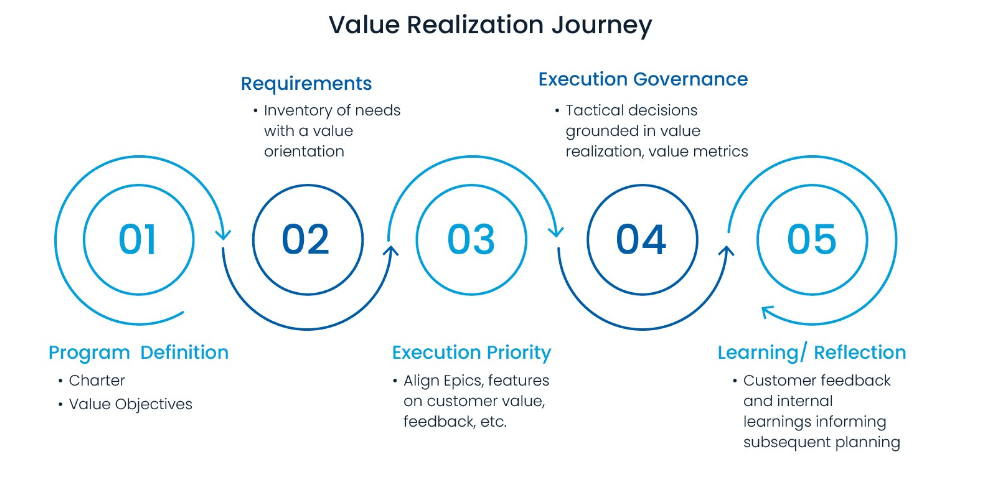
It tries to understand:
- Are you writing only to get AdSense approval?
- Or are you building content to genuinely help users?
If a website is created only for approval, rejection is likely — no matter how many articles are published.
Who this guide is for
This article is for bloggers who:
- Have faced AdSense rejection
- Feel demotivated after multiple attempts
- Want a realistic, experience-based understanding
In the next part, I will explain the real reasons behind AdSense rejections that Google never clearly mentions.
What This Article Is Not (Clearing the Reality)
Before going further, it is important to clearly state what this article does not promise.
This article is not about:
- “Overnight Google AdSense approval”
- Promoting any paid course or shortcut trick
- Copy-pasted tips from the internet
This guide is based only on real experience and honest learnings.
Read Also:- Google Ads in 2026: Emerging Trends, Key Challenges, and Smart Solutions
If you are looking for quick hacks, this article may not be for you. But if you want a safe, long-term, and genuine AdSense approval, you are in the right place.
My Real Google AdSense Approval Journey (After 3 Rejections)
More than a year ago, we started our website JKS Digital, which also operates as a digital marketing agency. From the beginning, we focused on consistency. We published articles regularly and worked seriously on blogging.
However, for a long time, there were no visible results.
There was no traffic, no comments, and very little motivation. Many times, it felt like all the effort was going to waste. Still, we did not quit.
After around 3–4 months, traffic slowly started to appear. Some days we had 15 users, some days 20, sometimes 25 real-time visitors. These numbers may seem small, but for us, they were a major milestone.
With this confidence, we applied for Google AdSense for the first time — and got rejected.
We applied a second time and faced rejection again, with the reason stated as low-value content. The third application was also rejected. This was the hardest phase, and this is exactly where most people give up.
But we made a clear decision: either we would give our best effort, or we would stop completely. We chose not to quit.
After nearly six more months of smart work, detailed content, user-focused blogs, and strict consistency, we applied again. This time, the very next day, we received the email:
“Congratulations! Your site has been approved for Google AdSense.”
This approval was not just about earning. It was proof of patience, discipline, and long-term commitment.
Step 1: Build a Strong Website Foundation (Before Applying)
The first step for Google AdSense approval is ensuring your website looks complete and professional. Google evaluates not only your content but also the overall impression of your site. If it seems unfinished or temporary, approval becomes difficult.

Here’s what we focused on:
- Custom domain: Avoid free subdomains, which signal impermanence.
- Professional theme: A clean, consistent design builds credibility.
- Mobile-friendly layout: Test on different devices for smooth performance.
- Fast loading speed: Slow pages frustrate users and reduce trust.
- Clear niche: Avoid random topics; define your purpose clearly.
Personal insight: We noticed that even small inconsistencies—like mismatched colors or broken menus—gave an impression of an amateur site. Keeping the design simple, functional, and consistent made Google recognize our site as serious and professional.
Step 2: Focus on Value, Not Quantity
One of the hardest lessons we learned was that Google cares more about quality than the number of articles. Early on, we thought publishing more posts would increase our chances, but it didn’t.
Our approach:
- Avoided copy-paste or spun content entirely
- Wrote articles based on real user needs and questions
- Improved or removed weak, shallow posts
- Ensured every post was detailed, easy to read, and genuinely helpful
Human touch: When writing, we imagined a person reading our article to solve a real problem. This mindset changed everything. Low-value content is not a failure—it’s a signal to improve. Google rewarded patience and real effort, not shortcuts.
Step 3: Include All Essential Pages
Google wants proof that your website is real, trustworthy, and transparent. Certain pages act as signals that your site is genuine:
- About Us: Share your story honestly, including why you started the website.
- Contact Us: Provide working email or form for communication.
- Privacy Policy
- Terms & Conditions
- Disclaimer
Read Also:- Why Clients Don’t Trust Digital Agencies Anymore (2026 Deep Analysis)
Human touch: We shared our personal journey on the “About Us” page—why we started JKS Digital, our struggles, and our vision. This made the website feel authentic and trustworthy, both to Google and real visitors.
Step 4: Optimize User Experience
Many websites fail not because of content but because user experience is ignored. A website may be informative but still frustrating to use.
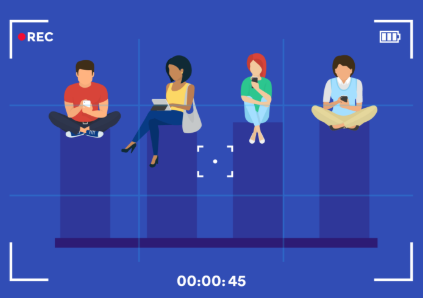
We avoided:
- Overcrowded banners or ads
- Annoying pop-ups
- Broken internal links
- Confusing menus
Instead, we focused on simplicity and readability, so visitors could easily navigate, read, and return. Google notices subtle cues like time on site and bounce rate—elements tied directly to user comfort.
Human touch: We wrote and structured our content for readers first, not algorithms. Thinking about a real person’s experience made our site intuitive and enjoyable, which later reflected in our approval.
Key Takeaways
Google AdSense approval is not a game of shortcuts. It rewards websites that combine consistency, real value, and user focus. Each small step—whether improving content depth, cleaning up a theme, or sharing your story—contributes to approval over time.
Step 5: Final Checklist Before Applying
Before submitting our Google AdSense application, we made sure everything was in perfect order. Small details can make the difference between approval and rejection, so we carefully checked:
- All pages open correctly: About Us, Contact, Privacy Policy, and blog posts must be accessible.
- Content readability and originality: Every article should be easy to read, fully original, and useful.
- Website looks ad-ready: Google should be able to imagine placing ads naturally without harming user experience.
Human touch: We reviewed our site as if we were first-time visitors. Reading our own content aloud helped us identify confusing sentences, missing links, or minor layout issues. Paying attention to these “small things” gives your website a professional, trustworthy appearance that Google values.
Step 6: The Reality After Approval
Many beginners assume that once AdSense approval comes, the hard work ends. In reality, approval is just the beginning.
Key realities after approval:
- Policy compliance becomes crucial: Following Google’s rules consistently prevents future issues.
- Long-term content strategy matters: Approval does not guarantee revenue; ongoing traffic and quality content are essential.
- User experience still comes first: Ads should enhance, not disrupt, the reader’s experience.
Human touch: Even after approval, we kept our mindset focused on readers, not just earnings. Thinking about real people visiting your site ensures your content remains valuable, increasing engagement and trust.
Conclusion: Rejection Is Not Failure, It’s Preparation
If your website is rejected today, it does not mean you are doing something wrong. It simply means Google wants better value from your website.
Remember:
- Google AdSense is never instant
- Shortcuts rarely work
- Consistency, patience, and honesty are the real formula
Our website was rejected three times before finally being approved. If we could achieve it, so can you. The key is to keep going, avoid comparisons, and trust the process.
Even if it doesn’t happen today, with dedication and smart work, it will happen eventually.
Extra growth insight:
Rejection is often the best feedback you can get. It shows exactly where your site can improve—whether it’s content depth, user experience, or website structure. Treat every rejection as a learning step rather than a setback.