Top 10 B2B Lead Generation Tools in 2026:- In 2026, B2B lead generation is no longer about collecting random email IDs or running mass cold-calling campaigns. Growth teams today focus on high-intent prospects, accurate data, and automation that genuinely improves efficiency.
With AI now deeply integrated into sales and marketing workflows, and buyers becoming more privacy-conscious, lead generation has shifted from volume-based tactics to precision-driven strategies. Teams need tools that help identify the right decision-makers, track real buying intent, and engage prospects at the right time.
Choosing the right lead generation tool in 2026 is no longer just a software decision — it’s a growth strategy. The right platform can shorten sales cycles, improve conversion rates, and create predictable revenue pipelines.
This article highlights the top 10 B2B lead generation tools in 2026 that growth teams rely on to generate qualified leads and scale sustainably.
This article is very valuable for you; read it fully for your business growth.
1. Apollo.io – The All-in-One Growth Engine
In 2026, Apollo.io has established itself as one of the most reliable and widely used B2B growth platforms for lead generation and outbound sales. Instead of relying on multiple disconnected tools, Apollo brings contact discovery, prospecting, outreach automation, and performance tracking into a single, unified workflow.

One of Apollo’s biggest strengths is the quality and depth of its B2B data. Growth teams can easily identify key decision-makers based on job role, company size, industry, and location. Advanced filters also allow teams to prioritize leads showing higher buying intent, helping sales reps focus on prospects that are more likely to convert.
Apollo.io is especially popular because of its ease of use. Teams can build targeted lead lists, segment prospects, and launch multi-step email sequences directly from the platform—without constantly switching between CRMs, email tools, or spreadsheets. Real-time analytics further help teams track open rates, replies, and conversions, making optimization faster and data-driven.
Best Digital Marketing Book on Amazon
Overall, Apollo.io works well for teams that want speed without sacrificing accuracy, and automation without losing control over personalization.
Best for:
Startups, SaaS companies, and modern growth teams looking for a scalable all-in-one platform to manage prospecting, outreach, and lead conversion efficiently.
2. ZoomInfo – Enterprise-Level Data Intelligence
In 2026, ZoomInfo remains the go-to platform for enterprise-level B2B data and buyer intelligence. It has evolved far beyond being a simple contact database and now functions as a full-fledged intelligence system that helps teams understand who is buying, when they are buying, and why.

The biggest advantage of ZoomInfo is its intent data capability. Instead of reaching out to cold prospects, growth teams can identify companies that are actively researching products or services similar to theirs. This allows sales teams to time their outreach more effectively—connecting with potential buyers when interest is already high, rather than too early or after the decision has been made.
ZoomInfo also offers deep firmographic and technographic insights, enabling teams to build highly targeted account lists and align sales and marketing efforts more closely. For organizations dealing with complex decision-making processes, this level of intelligence can significantly reduce wasted outreach and improve conversion rates.
Best for:
Mid-size to enterprise B2B companies that operate with longer sales cycles, multiple stakeholders, and high-value deals.
3. LinkedIn Sales Navigator – Relationship-Driven Lead Generation
In 2026, LinkedIn continues to be the most powerful platform for B2B relationship building, and Sales Navigator has matured into a highly effective prospecting and lead intelligence tool. Unlike traditional lead databases, it focuses on people-first selling, where context and connection matter as much as contact details.

Sales Navigator offers advanced search filters, detailed account insights, and real-time buying signals that help growth teams identify the right decision-makers within target companies. Teams can track job changes, company growth, and engagement activity—signals that often indicate potential buying opportunities.
What sets LinkedIn Sales Navigator apart is its role in social selling. Growth teams don’t just use it to find leads; they use it to engage prospects through relevant content, thoughtful comments, and personalized messages. This gradual warming process builds familiarity and trust, which significantly improves response and conversion rates compared to cold outreach.
For businesses where credibility and long-term relationships drive revenue, Sales Navigator acts as a bridge between marketing, networking, and sales.
Best for:
Consultants, agencies, and high-ticket B2B service providers where trust, authority, and relationship quality matter more than lead volume.
4. Clearbit – Smart Data Enrichment for High-Quality Leads
In 2026, Clearbit is widely used by growth teams that prioritize lead quality over sheer volume. Instead of generating new leads from scratch, Clearbit focuses on enriching existing data to make every lead more actionable and sales-ready.
When a prospect fills out a form or signs up for a demo, Clearbit automatically adds critical details such as company size, estimated revenue, industry, technology stack, and decision-maker roles. This removes the common problem of incomplete or vague leads entering the CRM.

Growth teams rely on Clearbit to score and qualify leads in real time. Based on enrichment data, leads can be routed instantly to the appropriate sales pipeline or account owner—without manual checks or delays. This ensures faster follow-ups and more relevant sales conversations.
Clearbit is especially valuable for teams that want their sales reps to focus only on high-fit, high-intent prospects, rather than spending time researching basic company information.
Read Also:- How to Get Traffic on a New Website in 2026: When There Is Absolutely No Traffic
Best for:
Inbound-focused growth teams that generate leads through website forms, demo requests, or free trial sign-ups.
5. HubSpot – Lead Generation Meets Automation
By 2026, HubSpot has evolved far beyond being “just a CRM” and now functions as a complete growth and revenue platform. It brings marketing, sales, and customer data together in one integrated system.
HubSpot allows growth teams to create landing pages, lead magnets, and forms, while simultaneously running automated email workflows and tracking every interaction across the funnel. From the first website visit to deal closure, every touchpoint is recorded and optimized.
One of HubSpot’s biggest strengths is automation with visibility. Teams can nurture leads automatically, assign them to sales at the right stage, and track pipeline performance without relying on disconnected tools. This alignment between marketing and sales helps reduce lead leakage and improves conversion consistency.
For growing companies, HubSpot acts as the central backbone that keeps lead generation, follow-ups, and reporting in sync.
Best for:
Teams that want marketing, sales, and CRM systems fully aligned within a single platform for predictable and scalable growth.
6. Leadinfo – Turning Website Visitors into Sales Leads
In 2026, visitor identification has become one of the most effective yet underused B2B lead generation strategies, and Leadinfo is a strong player in this space. Instead of waiting for prospects to fill out forms, Leadinfo helps growth teams understand who is already showing interest by visiting their website.
The platform identifies companies visiting your site, tracks the pages they view, and shows how frequently they return. This insight allows sales and marketing teams to spot warm accounts that are actively exploring solutions—even if they haven’t submitted any contact details.
Growth teams use Leadinfo to prioritize outreach based on real behavioral signals, such as repeated visits to pricing or product pages. This makes sales conversations more relevant and timely, often resulting in higher response rates compared to completely cold outreach.
Leadinfo is especially valuable for teams that already have traffic but struggle to convert anonymous visitors into leads.
Best for:
B2B companies with steady website traffic but low form submissions or demo request conversions.
7. Snov.io – Budget-Friendly Outreach Automation
Snov.io has grown into a dependable solution for teams that need email discovery, verification, and outreach automation without the cost or complexity of enterprise tools. In 2026, it remains a popular choice for lean growth teams focused on efficiency.

The platform allows users to find business email addresses, verify them to reduce bounce rates, and run automated drip email campaigns from a single dashboard. Its clean interface and straightforward setup make it easy for teams to launch outbound campaigns quickly.
Growth teams appreciate Snov.io for delivering practical results at an affordable price, especially when budgets are limited but consistent outreach is still required. While it may not offer advanced intelligence features, it performs core outbound tasks reliably.
Best Digital Marketing Book on Amazon
Best for:
Early-stage startups, freelancers, agencies, and small sales teams looking for cost-effective outreach automation.
8. Intercom – Conversational Lead Capture
In 2026, B2B buyers expect instant, personalized responses, and Intercom has become a key tool for real-time lead capture through conversations. Instead of relying on static contact forms, Intercom uses AI-powered chatbots and live chat to engage website visitors the moment they show interest.
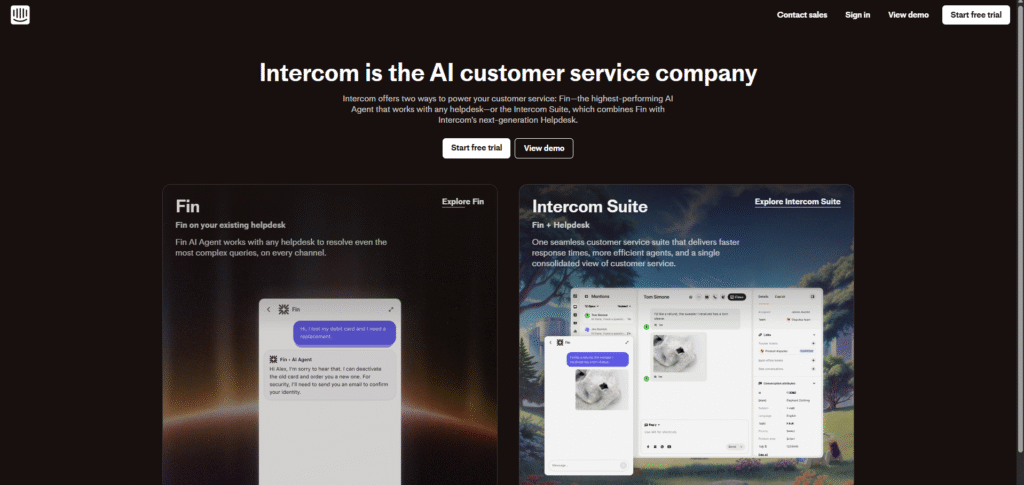
Growth teams use Intercom to ask smart qualifying questions, understand user intent, and route high-quality prospects directly to sales teams. Hot leads can be identified in real time, demos can be booked instantly, and support conversations can smoothly transition into sales opportunities.
Intercom is especially effective for reducing response time and capturing leads that might otherwise leave the website without taking action. By turning conversations into conversion points, it helps teams move faster and close deals earlier in the buyer journey.
Read Also:- ChatGPT Secrets & Updates 2026: Smart Hidden Settings to Become an AI Power User
Best for:
SaaS companies and product-led growth teams that rely on real-time engagement to convert website visitors into qualified leads.
9. UpLead – Accurate & Clean B2B Contact Data
UpLead has positioned itself in 2026 as a reliable source of high-accuracy B2B contact data, making it a strong choice for teams that prioritize deliverability and compliance. With stricter email regulations and inbox filtering, clean data has become more important than ever.
Growth teams use UpLead to build targeted contact lists with verified email addresses, reducing bounce rates and protecting sender reputation. The platform is particularly useful for outbound campaigns where precision matters more than scale.
UpLead also allows teams to filter leads by industry, role, company size, and location, making it easier to reach the right decision-makers in specific niches. This focused approach helps improve reply rates and campaign performance.
Best for:
Outbound-focused sales teams targeting niche industries, specific job roles, or highly defined account lists.
10. Hunter.io – Simple, Reliable Email Prospecting
In 2026, Hunter.io continues to be a trusted tool for simple and effective email prospecting. Its popularity comes from clarity—Hunter does exactly what growth teams need without unnecessary complexity.
The platform helps users find professional email addresses associated with specific domains and verifies them before outreach. This reduces bounced emails, improves deliverability, and protects domain reputation—factors that are increasingly important in modern outbound campaigns.
Growth teams often use Hunter.io when they want highly personalized outreach rather than bulk automation. It fits naturally into manual or semi-automated workflows where quality conversations matter more than scale.
Best for:
Manual outreach, PR campaigns, partnerships, and personalized sales emails that require accurate contact details.
How Growth Teams Should Choose the Right Tool in 2026
There is no single “best” B2B lead generation tool that works for every team. In 2026, the most successful growth teams rely on a well-balanced tool stack, not a one-size-fits-all platform.
Before selecting tools, teams should clearly evaluate their growth model. Are leads coming mainly from inbound channels like content, demos, and trials, or is outbound outreach the primary driver? Is the goal to generate volume, or to focus on high-intent, sales-ready prospects?
It’s also important to consider how much automation is needed versus how much personalization the sales process requires. Short sales cycles may benefit from speed and automation, while longer, high-value deals demand deeper research and relationship-building.
Best Digital Marketing Book on Amazon
Ultimately, tools should support the existing growth strategy, not dictate it. Teams that choose platforms aligned with their sales motion, budget, and goals are far more likely to scale efficiently.
Final Thoughts
In 2026, B2B lead generation is defined by precision, timing, and relevance. Random outreach and outdated tactics no longer deliver results and often lead to wasted effort and budget.
Growth teams that invest in the right tools—and use them strategically—can consistently attract qualified leads, shorten sales cycles, and build predictable revenue pipelines. Whether you’re launching a startup, scaling a SaaS product, or running a B2B agency, the tools covered in this list offer a strong foundation for building a sustainable and repeatable lead generation system.