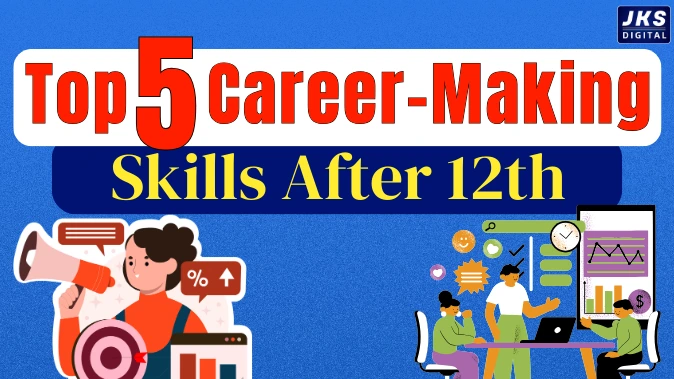
Top 5 Skills to Build a Career After 12th:- Passing Class 12 is an important milestone, but it also brings a big question: What should I do next? With so many options available, choosing the right path can feel confusing for students.
As we move towards 2026, the job market is changing rapidly. A degree alone is no longer enough to build a successful career. Companies today are looking for students who have practical, job-ready skills and the ability to adapt to new technologies and work environments.
Skill-based careers offer more than just jobs. They provide flexibility, faster growth, and long-term stability. Whether a student chooses college, online learning, or alternative education, building the right skills early can create a strong foundation for the future.
In this article, we explore the top 5 skills students can start building after 12th to stay relevant, confident, and career-ready in 2026 and beyond.
Why Skills Matter More Than Ever in 2026
The way companies hire talent is changing faster than ever before. Automation, artificial intelligence, and digital tools are no longer limited to tech companies—they are now part of almost every industry. As a result, employers in 2026 are focusing less on degrees and more on what a person can actually do.
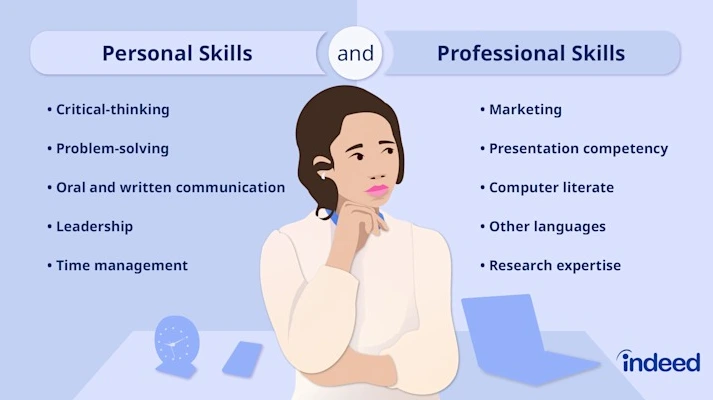
Today, having practical skills means being job-ready from day one. Companies prefer candidates who can handle real tasks, solve problems, and adapt quickly to new systems. This shift has created a huge advantage for students who start building skills right after Class 12 instead of depending only on traditional education.
For students, learning a skill early opens multiple career paths. It improves job opportunities, builds confidence through hands-on experience, and reduces dependence on limited campus placements. Skilled students can explore freelancing, remote jobs, startups, or even launch their own businesses while continuing their studies.
Another major benefit is faster career growth. Skilled professionals often grow quicker than those who rely only on theoretical knowledge. In a competitive world, skills provide flexibility, stability, and long-term relevance.
In 2026 and beyond, students who invest in the right skills will always stay ahead of the crowd and remain in demand, no matter how the job market changes.
1. Digital Marketing (The No.1 Skill for 2026)
Digital marketing has emerged as one of the most powerful and future-proof skills for students after 12th. As businesses increasingly depend on the internet to reach customers, the demand for skilled digital marketers continues to grow across industries. From small local shops to global brands, everyone needs visibility online—and that is where digital marketing professionals play a crucial role.
What Is Digital Marketing?
Digital marketing refers to promoting products, services, or brands through online platforms. It covers multiple areas such as search engine optimization (SEO), social media marketing, content creation, paid advertising, email campaigns, and performance tracking using analytics tools. Instead of relying on traditional advertising, digital marketing focuses on reaching the right audience at the right time through digital channels.
Why Digital Marketing Is Ideal for 2026
By 2026, most businesses will prioritize online growth over offline promotion. E-commerce, online education, personal brands, and service-based businesses are expanding rapidly, creating consistent demand for digital marketing experts. Companies prefer professionals who understand online consumer behavior and can drive measurable results. This makes digital marketing a stable and high-growth career choice for the future.
Who Can Learn Digital Marketing?
One of the biggest advantages of digital marketing is its accessibility. Students from Arts, Commerce, or Science backgrounds can learn it without any technical or coding knowledge. Creativity, basic computer skills, and a willingness to learn are enough to get started. This makes it an excellent option for students who want practical skills without complex entry barriers.
Career Opportunities in Digital Marketing
Digital marketing offers multiple career paths. Students can work as digital marketers, SEO executives, social media managers, content strategists, or performance marketing specialists. Those who prefer independence can choose freelancing, remote jobs, or even start their own digital marketing agency. The flexibility and variety make this field suitable for different career goals.
Income and Growth Potential
At the beginner level, digital marketers can earn between ₹15,000 to ₹30,000 per month. With experience, specialization, and strong results, income can increase significantly. Skilled professionals often earn much more through freelancing, consulting, or running their own agencies, making it a high-income skill over time.
Read Also:- The Biggest Problem New Digital Marketers Face: How to Get Clients?
How Students Can Start Learning
Students can begin by enrolling in online courses, practicing through live projects, and gaining experience via internships. Regular practice, learning from real campaigns, and staying updated with trends are key to success in this field. Starting early after 12th gives students a strong advantage by the time they graduate.
2. Artificial Intelligence & Prompt Skills
Artificial Intelligence (AI) is no longer a futuristic concept—it is already transforming industries worldwide. By 2026, understanding AI and knowing how to work with AI tools will be a must-have skill for students looking to stay ahead in their careers.

What Is This Skill?
This skill involves learning how AI works and how to leverage it effectively. It includes using tools like ChatGPT for content creation, AI-powered design software, automation platforms, and mastering prompt engineering—the art of communicating with AI to get accurate and useful outputs. Essentially, it’s about working with AI, not against it.
Why It’s Important in 2026
AI adoption is skyrocketing across all sectors—marketing, healthcare, finance, education, e-commerce, and even government services. Businesses increasingly rely on AI for automation, decision-making, customer support, and content creation. Students who know how to operate AI tools will have a competitive advantage over peers who rely solely on traditional skills.
Who Can Learn It?
This skill is accessible to almost any student with basic computer knowledge. You don’t need to be a programmer or tech expert—what matters is curiosity, practice, and learning how AI can solve real-world problems.
Career Options
AI opens multiple career pathways. Students can work as AI Assistants, Prompt Specialists, Automation Experts, AI Content Strategists, or even start freelancing by offering AI-based solutions. The versatility of AI skills allows students to explore both corporate roles and entrepreneurial ventures.
Income Potential
AI-skilled professionals are among the highest-paid in the digital space. Beginners can earn a good starting income, while experienced specialists or AI freelancers can earn significantly more, making this a highly lucrative skill for 2026 and beyond.
How to Start
Students can begin with online AI courses, hands-on projects, experimenting with AI tools, and learning prompt engineering techniques. The earlier you start, the faster you can gain practical experience and stand out in a competitive job market.
3. Data Analysis
In today’s digital world, data is everything. Every decision—whether it’s launching a product, running marketing campaigns, or improving operations—is guided by data. Companies rely on data analysts to make sense of numbers, identify trends, and make informed, strategic decisions.
What Is Data Analysis?
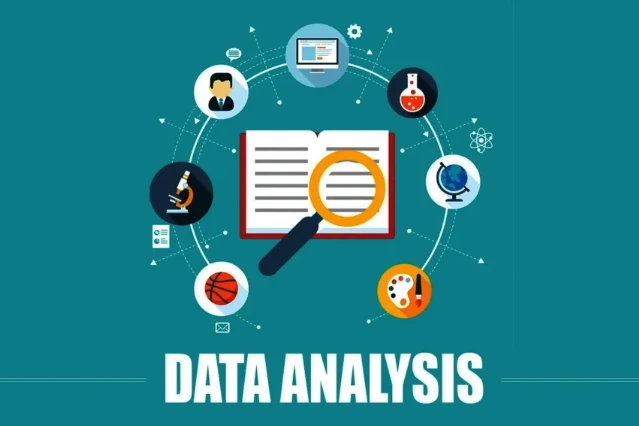
Data analysis involves collecting, cleaning, and studying data to extract meaningful insights. Analysts identify patterns, compare trends, and create reports that help businesses improve performance and reduce risks. Essentially, data analysts turn raw information into actionable knowledge.
Why It Matters in 2026
By 2026, businesses across all industries will rely heavily on data-driven decisions to stay competitive. From e-commerce and finance to healthcare and education, companies need skilled data professionals who can interpret complex information and guide strategic planning.
Who Can Learn It
Students from Commerce and Science backgrounds have a slight advantage due to exposure to statistics and numbers. However, anyone with curiosity and logical thinking can learn data analysis. Basic computer knowledge, a willingness to learn tools like Excel or SQL, and problem-solving mindset are enough to start.
Read Also:- 7 Marketing Practices That Will Completely Fail in 2026
Career Options
Popular career paths include Data Analyst, Business Analyst, and Reporting Analyst. Advanced opportunities may include roles like Data Scientist, AI Analyst, or Analytics Consultant.
How to Start
Start with Excel and Google Sheets for data management, SQL for database queries, basic Python for data handling, and visualization tools like Tableau or Power BI. Practicing with real-world datasets will help students build a strong portfolio and gain confidence.
4. UI/UX Design
In the digital era, a product isn’t just about functionality—it’s about experience. That’s where UI/UX Design comes in. A product with great design can attract more users, improve engagement, and even define a brand’s success.

What Is UI/UX?
UI (User Interface) focuses on how a digital product looks, while UX (User Experience) ensures it feels smooth and intuitive to users. Together, UI/UX designers create user-friendly interfaces that are visually appealing and easy to navigate.
Why It’s Future-Proof
With apps and websites increasing every year, demand for skilled designers is booming. In 2026, companies won’t just hire developers—they’ll seek designers who can blend creativity with usability to improve customer satisfaction and retention.
Who Can Learn It
Creative students with an interest in design, problem-solving, and understanding human behavior are ideal for UI/UX design. Coding isn’t always required; tools like Figma, Adobe XD, and Sketch make it easier to start.
Career Options
UI/UX designers can work as UI Designer, UX Researcher, Product Designer, or take freelance opportunities. Many also start small agencies or offer design services online.
How to Start
Learn basic design principles, practice wireframing and prototyping, and build a portfolio of projects. Observing real-world apps and redesigning them for practice is a great way to gain practical experience.
5. Video Editing & Content Creation
Video content is dominating the digital world. From YouTube channels to Instagram Reels and TikTok, businesses, creators, and brands need engaging videos to reach audiences. Students skilled in video editing and content creation will have a huge advantage in 2026.
What This Skill Includes
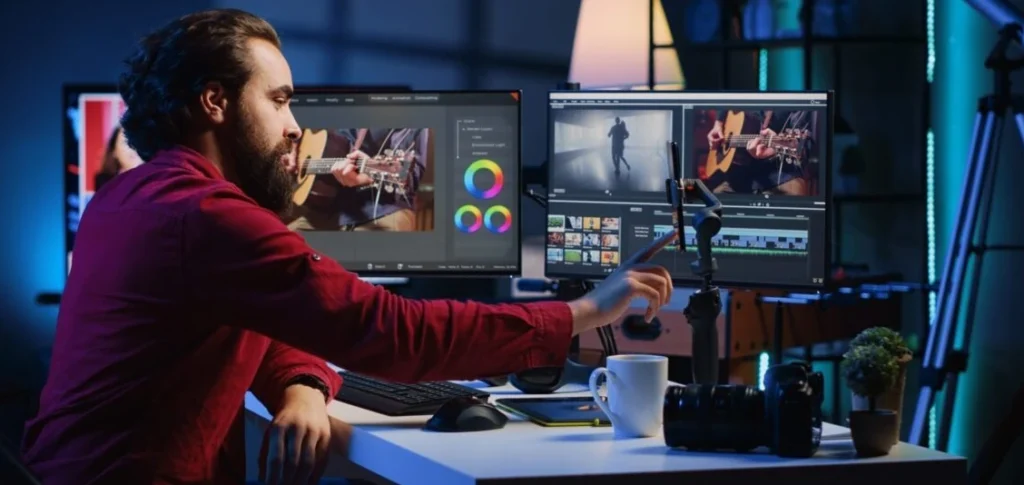
Video editing, storytelling, planning content strategy, understanding platform trends, and creating visually appealing videos. Knowing software like Adobe Premiere, Final Cut Pro, or CapCut is essential, along with a creative eye.
Why It’s Valuable in 2026
Video content consumption continues to grow. Short-form videos for social media and long-form videos for YouTube, e-learning, and brand campaigns are in high demand. Skilled creators can work with brands, marketing agencies, or start their own channels.
Career Options
Students can work as Video Editors, Content Creators, Brand Strategists, or take up freelance projects. Many combine content creation with social media management or marketing for additional opportunities.
Income Potential
Earnings depend on skill, creativity, and niche. Beginners may start with moderate income, but experienced creators and freelancers can earn significantly through projects, sponsorships, and brand collaborations.
How to Choose the Right Skill After 12th
Choosing the right skill after Class 12 is one of the most important decisions a student can make. It’s easy to get influenced by trends or what friends are learning, but the smartest approach is to look beyond short-term popularity and focus on long-term benefits.
Here are some key factors students should consider:
- Personal Interest: The skill should excite you. If you enjoy what you’re learning, practice becomes easier, and your chances of success increase significantly.
- Time Required to Learn: Some skills take months, while others require years of practice. Make sure you’re ready to invest consistent time and effort.
- Long-Term Growth: Focus on skills that will remain relevant in the future. For example, AI, digital marketing, data analysis, and UI/UX design are not only trending now but are expected to grow even more by 2026.
- Practice and Real-World Application: Theoretical knowledge alone isn’t enough. The more you apply what you learn—through projects, internships, freelancing, or real-world tasks—the stronger your skill becomes.
- Start Small, Expand Later: It’s okay to pick one skill first and explore others later. Building a strong foundation in one area makes it easier to diversify your expertise in the future.
Common Mistakes Students Should Avoid
Many students make career mistakes early on, often unknowingly. Some common pitfalls include:
- Relying Only on Degrees: Degrees may open doors, but employers in 2026 will prioritize skills and practical results.
- Expecting Quick Money: Mastery takes time. Skills need patience, practice, and persistence.
- Quitting Too Early: Many give up before they gain momentum. Consistency is the real secret to success.
Avoiding these mistakes can save years of wasted effort and help you reach your goals faster.
Final Advice for Students
The earlier you start learning, the better your career prospects will be. In 2026, students who combine education with practical, high-demand skills will lead the job market. Focus on learning, practicing, and improving every day.
Remember: a degree might help you get an interview, but your skills will land you the job.
Call to Action
If you’re unsure which skill to choose after 12th, don’t wait. Start exploring today. Whether it’s digital marketing, AI, data analysis, UI/UX, or video creation, learning a high-demand skill now can completely change your career path in the next few years. Take the first step and invest in yourself—it will pay off in 2026 and beyond.